
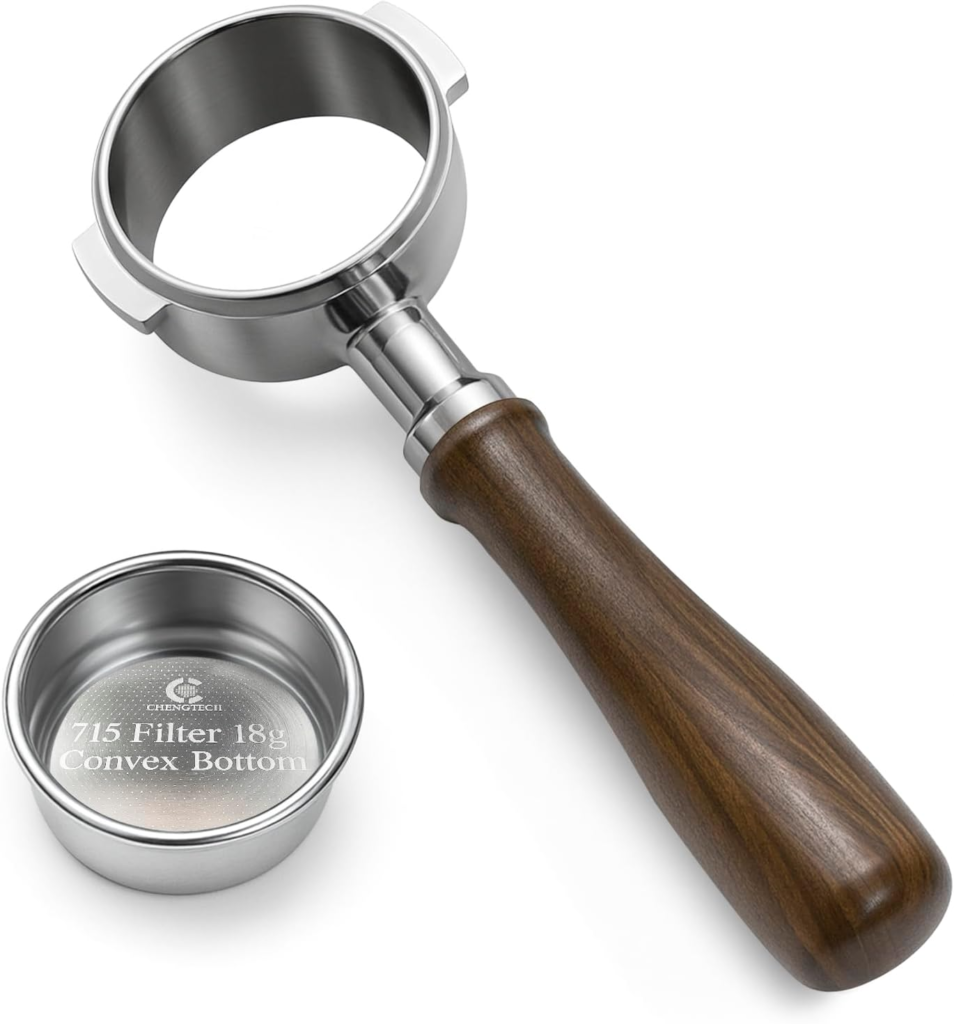
Walnut Wood Handle: The Perfect Blend of Durability, Style, and Comfort
When it comes to tools, kitchenware, knives, or custom equipment, the handle plays a crucial role in both performance and aesthetics. A Walnut Wood Handle is a premium choice for those seeking elegance, strength, and long-lasting comfort. Known for its rich color, natural grain, and durability, walnut wood elevates the look and functionality of everyday items.
In this comprehensive guide, we explore the benefits, types, uses, and features of walnut wood handles, helping you understand why they are an excellent investment for both functionality and style.
What Is a Walnut Wood Handle?
A Walnut Wood Handle is a handle crafted from walnut wood, one of the most popular hardwoods known for its durability and striking appearance. Walnut is dense yet workable, making it ideal for handles that need to withstand regular use while providing a comfortable grip.
These handles are often used in:
- Kitchen knives and cutlery
- Hand tools such as hammers, chisels, and screwdrivers
- Sporting equipment like knives and swords
- Furniture and cabinet hardware
- Custom woodworking projects
With proper care, a walnut wood handle can last for decades while maintaining its aesthetic appeal.
Benefits of Walnut Wood Handles
Durability and Strength
Walnut is a dense hardwood that resists wear, impact, and cracking, making it ideal for tools or knives used frequently.
Comfortable Grip
The natural texture and density of walnut provide a firm, ergonomic grip that reduces hand fatigue during prolonged use.
Elegant Appearance
Walnut wood features a deep, rich brown color with natural grain patterns that enhance the visual appeal of knives, tools, and custom items.
Lightweight Yet Sturdy
Walnut offers the perfect balance of strength and weight, ensuring comfortable handling without compromising durability.
Aging Gracefully
Over time, walnut develops a natural patina, adding character and enhancing the beauty of the handle.
Versatile Use
Suitable for kitchen knives, outdoor knives, hand tools, or custom woodworking projects, walnut handles blend functionality and style seamlessly.
Types of Walnut Wood Handles
Knife Handles
- Used in kitchen, hunting, or utility knives
- Offers firm grip, balance, and visual appeal
- Often paired with stainless steel or high-carbon blades
Tool Handles
- Hammers, chisels, and garden tools benefit from walnut handles
- Provides durability and shock absorption for heavy-duty use
- Ergonomic design reduces hand fatigue
Furniture Handles
- Drawer pulls, cabinet handles, or custom furniture accents
- Adds warmth, luxury, and sophistication to interiors
- Available in smooth or carved designs
Custom Wood Handles
- Woodworkers and artisans craft custom walnut handles for specialty knives, tools, or décor items
- Allows for personalization, shaping, and finishing according to specific needs
Key Features to Consider When Buying Walnut Wood Handles
Size and Shape
Select a handle size that fits comfortably in your hand or matches the tool/knife it will be attached to.
Finish
Handles can be natural, oiled, or varnished. A well-finished walnut handle enhances durability and protects against moisture.
Grain Quality
Look for consistent grain patterns for both strength and visual appeal. Knots or cracks can reduce durability.
Ergonomics
Handles should be contoured or designed to reduce strain and improve grip for prolonged use.
Compatibility
Ensure the handle fits your knife, tool, or equipment securely, either with pre-drilled holes, pins, or adhesive options.
Maintenance
Walnut handles may require periodic oiling with mineral or walnut oil to maintain color, luster, and moisture resistance.
How to Maintain Walnut Wood Handles
- Regular Cleaning: Wipe with a damp cloth to remove dirt or residue. Avoid soaking in water.
- Oil Treatment: Apply mineral or walnut oil occasionally to prevent drying and maintain the wood’s natural shine.
- Avoid Extreme Conditions: Keep handles away from excessive moisture or heat to prevent warping or cracking.
- Inspect for Damage: Check for chips, cracks, or loosening and repair promptly to extend the handle’s lifespan.
Proper maintenance ensures longevity, comfort, and continued aesthetic appeal.
Who Can Benefit from Walnut Wood Handles?
- Chefs and Home Cooks: Upgrade kitchen knives with durable, stylish walnut handles.
- Woodworkers and Artisans: Use walnut handles for custom projects, combining function and beauty.
- DIY Enthusiasts: Replace worn or low-quality tool handles with high-quality walnut for improved performance.
- Collectors and Hobbyists: Enhance outdoor knives, swords, or specialty tools with premium wooden handles.
- Interior Designers: Add walnut wood handles to furniture or cabinetry for a luxurious touch.
Advantages Over Other Handle Materials
- Stronger and more durable than softwoods or plastic handles
- Offers better grip and comfort compared to metal or synthetic handles
- Natural aesthetic adds elegance to tools, knives, and furniture
- Ages gracefully, unlike plastic or synthetic alternatives
- Customizable through shaping, carving, or finishing
Final Thoughts
A Walnut Wood Handle is a versatile, durable, and stylish choice for knives, tools, and furniture. Its natural strength, comfort, and timeless beauty make it a smart investment for anyone seeking functionality and elegance.
Whether you are upgrading your kitchen knives, replacing tool handles, or crafting custom pieces, a walnut wood handle ensures a perfect balance of performance, comfort, and aesthetics that will last for years.