
Peaceful Paws: A Compassionate Guide to Stop Your Dog from Barking
If you have ever been startled awake by a 3:00 AM barking session or had to apologize to neighbors for your dog’s “enthusiasm,” you know that excessive barking is one of the most stressful parts of pet ownership. It is important to remember that barking is a dog’s natural way of communicating—they aren’t doing it to be “bad.” They are usually trying to tell you they are bored, scared, or guarding their territory.
However, a peaceful home requires a bit of boundaries. In this guide, we will explore practical, humane, and effective ways to manage barking and help your dog find their “inner quiet.”
Identify the “Why” Before the “How”
You cannot fix the barking until you understand what is triggering it. Most barking falls into one of these three categories:
- Alert Barking: The mail carrier arrives, a squirrel runs by, or a car door slams. Your dog is saying, “Hey! Something is happening!”
- Boredom or Loneliness: If a dog is left alone too long without mental stimulation, they bark just to hear their own voice and release pent-up energy.
- Demand Barking: This happens when your dog barks at you because they want a treat, a walk, or a spot on the couch.
Practical Steps to Reduce Barking
Once you know the trigger, you can start applying these manual techniques to change the behavior:
1. Remove the Motivation
If your dog barks at people walking past the window, the simplest fix is to close the blinds or apply a decorative window film. If they can’t see the “intruder,” they won’t feel the need to alert you.
2. The “Quiet” Command
This is a classic training technique. When your dog starts barking, wait for a brief second of silence (even if they are just taking a breath), say “Quiet” in a firm but calm voice, and immediately give them a high-value treat. Over time, they will associate the word “Quiet” with a reward for being still.
3. Increase Mental and Physical Exercise
A tired dog is a quiet dog. If your dog is barking out of boredom, a 15-minute walk might not be enough. Try incorporating “nose work” or puzzle toys. Using a treat-dispensing toy can keep their brain occupied for an hour, leaving them too tired to bark at the neighbors.
When to Consider Training Tools
Sometimes, despite our best efforts at training, we need a little extra help. There are several humane tools designed to assist in “interrupting” the barking cycle:
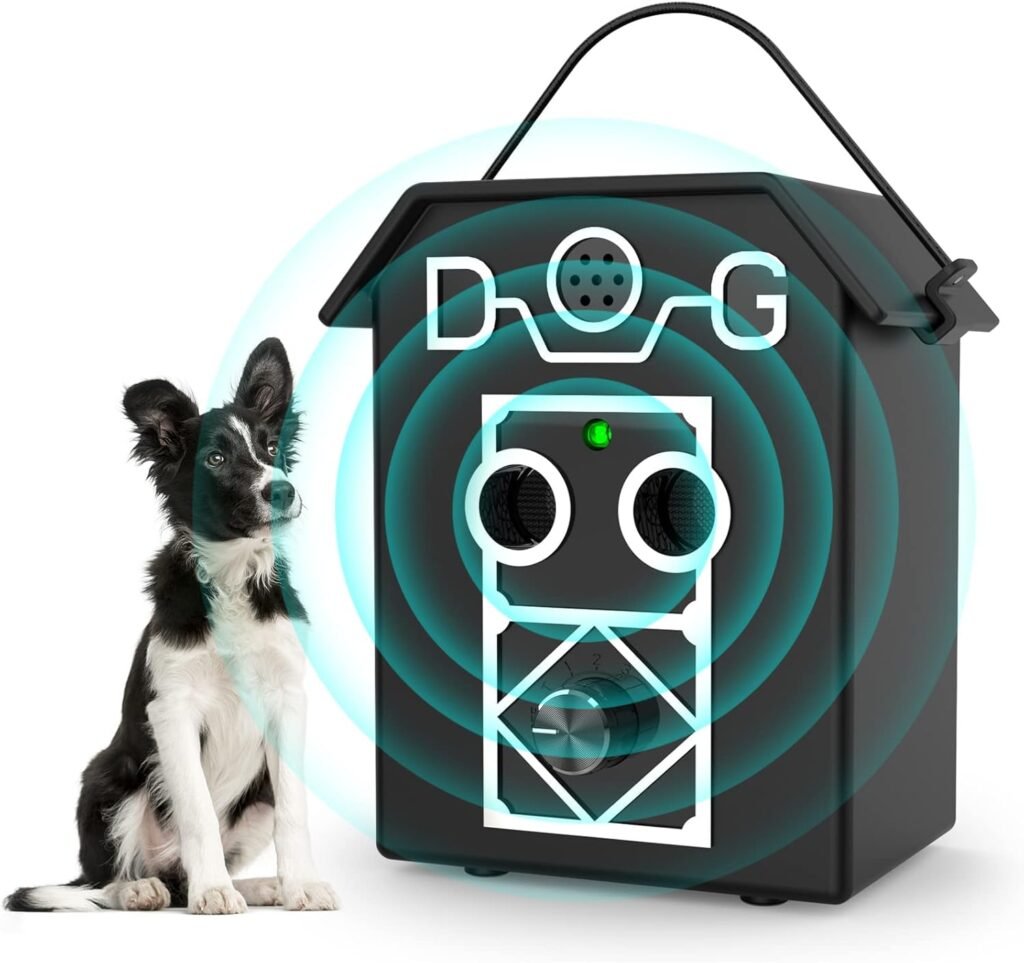
- Ultrasonic Trainers: These are handheld devices that emit a high-pitched sound only dogs can hear. When they bark, you press the button. The sound startles them just enough to stop the barking, allowing you to redirect their attention to a command or a treat.
- Citronella Collars: These are a gentle alternative to shock collars. When the dog barks, the collar releases a quick burst of citronella spray. Dogs generally dislike the smell and the “hiss” sound, which acts as a safe deterrent.
- Vibration Collars: These use a small vibration (similar to a cell phone buzz) to distract the dog from whatever they are barking at.
What to Avoid
It is tempting to yell “Shut up!” when you are frustrated, but to a dog, yelling sounds like barking. They might think you are joining in on the fun, which actually encourages them to bark louder. Always stay calm. Consistency is your best friend; if you allow barking sometimes but get mad other times, the dog will stay confused.
Conclusion
Stopping a dog from barking isn’t about silencing their personality; it’s about teaching them how to exist calmly in a human world. By combining environmental changes, consistent training, and the right tools, you can reduce the noise level and strengthen the bond with your pet.
Patience is key—most dogs won’t stop barking overnight, but with a little daily effort, the “quiet” command will eventually become second nature.