
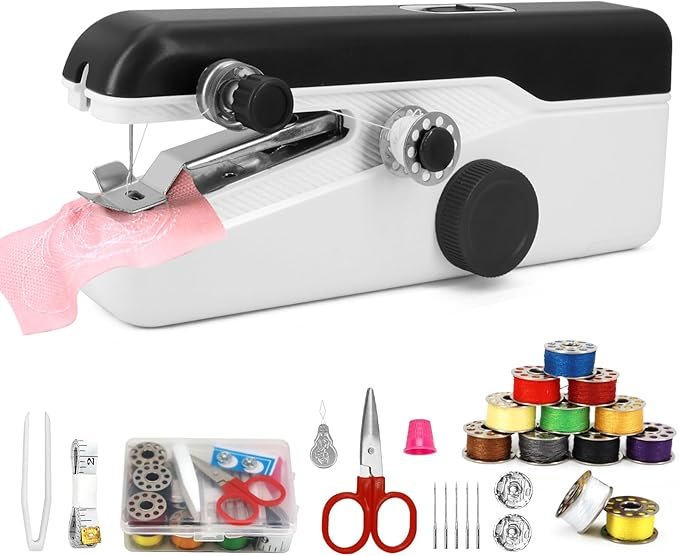
Handheld Sewing Machine: A Complete Guide for Quick and Easy Stitching
In today’s fast-paced world, convenience matters more than ever. Whether it’s fixing a torn hem, shortening curtains, or making quick clothing repairs at home, a handheld sewing machine offers a simple and efficient solution. Compact, lightweight, and easy to use, handheld sewing machines have become a popular alternative to traditional sewing machines for beginners and busy users alike.
This guide will walk you through everything you need to know about handheld sewing machines, including how they work, their benefits, limitations, buying tips, and why they are a smart addition to any household.
What Is a Handheld Sewing Machine?
A handheld sewing machine is a small, portable device designed for basic sewing and quick fabric repairs. Unlike traditional sewing machines, it can be operated with one hand and does not require a sewing table or complex setup.
These machines are ideal for:
- Quick clothing repairs
- Emergency fixes while traveling
- Lightweight fabrics
- Beginners learning basic sewing skills
Most models run on batteries or USB power, making them highly portable and easy to use anywhere.
How Does a Handheld Sewing Machine Work?
Handheld sewing machines use a simple stitch mechanism, usually a single straight stitch. The user places the fabric under the needle, presses a button or trigger, and guides the fabric manually.
Basic operation steps include:
- Insert thread into the machine
- Position the fabric under the needle
- Hold the machine steady
- Press the power button to stitch
- Tie off the thread manually at the end
Because of their simple design, these machines are easy to learn and require minimal maintenance.
Benefits of Using a Handheld Sewing Machine
1. Portability and Convenience
One of the biggest advantages is portability. You can carry it in a bag, drawer, or suitcase, making it perfect for travel or emergency repairs.
2. Beginner-Friendly
Handheld sewing machines are ideal for beginners who want to learn basic stitching without dealing with complex controls.
3. Time-Saving
Instead of setting up a full sewing machine, you can complete quick fixes in minutes.
4. Affordable Price
Compared to traditional sewing machines, handheld models are significantly more affordable, making them accessible for most budgets.
5. No Assembly Required
Most handheld sewing machines come ready to use straight out of the box.
Limitations of Handheld Sewing Machines
While convenient, handheld sewing machines are not designed for heavy-duty projects.
Common limitations include:
- Not suitable for thick fabrics like denim or leather
- Limited stitch options
- Manual thread finishing required
- Less precision for complex sewing patterns
They work best as a secondary sewing tool rather than a full replacement for a standard sewing machine.
Who Should Buy a Handheld Sewing Machine?
A handheld sewing machine is ideal for:
- Beginners learning to sew
- Students and renters with limited space
- Travelers needing on-the-go repairs
- Homemakers handling quick fixes
- Crafters working on small projects
If you frequently need fast, simple stitching without advanced features, this tool is a great choice.
Key Features to Look for When Buying
When choosing the best handheld sewing machine, consider the following features:
Power Source
- Battery-operated models offer portability
- USB-powered models are eco-friendly and rechargeable
Build Quality
Choose a sturdy model with a strong needle mechanism to ensure durability.
Ease of Threading
Some models include simple threading guides that make setup faster and easier.
Fabric Compatibility
Check whether the machine supports medium-weight fabrics for better versatility.
Included Accessories
Many models come with extra needles, bobbins, and thread spools, which add value.
Handheld Sewing Machine vs Traditional Sewing Machine
| Feature | Handheld Sewing Machine | Traditional Sewing Machine |
|---|---|---|
| Size | Compact and portable | Large and stationary |
| Skill Level | Beginner-friendly | Beginner to advanced |
| Stitch Options | Limited | Multiple stitch types |
| Fabric Type | Light to medium | Light to heavy |
| Price | Low | Medium to high |
Both machines serve different purposes. A handheld sewing machine is best for convenience, while a traditional machine is better for detailed sewing projects.
Best Uses for a Handheld Sewing Machine
- Fixing ripped seams
- Shortening pants or sleeves
- Repairing curtains
- Sewing pillow covers
- Emergency wardrobe fixes
These machines excel at quick household tasks where speed and simplicity matter most.
Tips for Best Results
- Always use thin to medium fabrics
- Keep fabric flat and taut while sewing
- Practice on scrap fabric first
- Replace needles regularly
- Tie knots securely after stitching
Following these tips will help improve stitch quality and extend the life of the machine.
Why a Handheld Sewing Machine Is Worth Buying
A handheld sewing machine is a practical, cost-effective tool that saves time and effort. It is not meant to replace a full-size sewing machine but complements it perfectly. For everyday repairs and small projects, it offers unmatched convenience.
Whether you are new to sewing or simply want a backup solution for quick fixes, investing in a handheld sewing machine can make your life easier.
Final Thoughts
Handheld sewing machines are compact, affordable, and easy to use, making them an excellent choice for quick sewing needs. With the right expectations and proper usage, they can become a valuable tool in any home.
If you are looking for a simple sewing solution without the hassle of traditional machines, a handheld sewing machine is a smart and practical investment.