
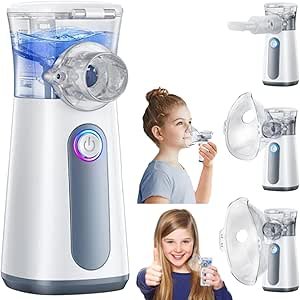
In 2026, Portable Nebuliser Machines have transitioned from bulky, noisy compressors to “Pocket-Sized” mesh technology. These devices are essential for managing asthma, COPD, and bronchitis on the go, as they convert liquid medication into a fine mist () that reaches deep into the lungs.
1. The Three Main Technologies
When choosing a portable unit, the technology determines the noise level and speed:
| Technology | Best For | Pros/Cons |
|---|---|---|
| Vibrating Mesh | True Portability | Silent, battery-operated, very fast. Can be delicate and requires strict cleaning. |
| Portable Compressor | Heavy Duty | Robust and works with almost all medications. Noisier and larger than mesh units. |
| Ultrasonic | Hospital Grade | High output and fast. Not compatible with all drugs (can denature certain proteins/steroids). |
2. Top-Rated Models for 2026
- Best Overall: Omron MicroAir U100 – A legendary mesh nebuliser known for its “360-degree” operation, allowing you to use it even while lying down.
- Best for Kids: Beurer IH 58 Kids – Extremely small and travel-friendly with child-specific masks and a quiet motor to reduce anxiety.
- Best Value: Feel Life Air 360+ – A popular handheld mesh unit that is rechargeable via USB-C and completely silent ().
- Best Premium: PARI TREK S – A compact compressor system that offers the power of a tabletop machine in a travel-ready size.
3. Key 2026 Features to Look For
- 32-Bit Smart Atomization: Modern units adjust the vibration frequency based on the liquid’s viscosity to prevent the mesh from clogging.
- USB-C Rechargeability: Most 2026 models have moved away from AA batteries, offering built-in lithium-ion batteries that last for 15–20 treatments per charge.
- Automatic Self-Cleaning: Look for a “Clean Mode” where the machine vibrates at high frequency with water to clear the mesh holes automatically.
- Low Residual Volume: High-end models (like the Philips InnoSpire Mini) ensure less than of medication is left behind, reducing waste of expensive drugs.