
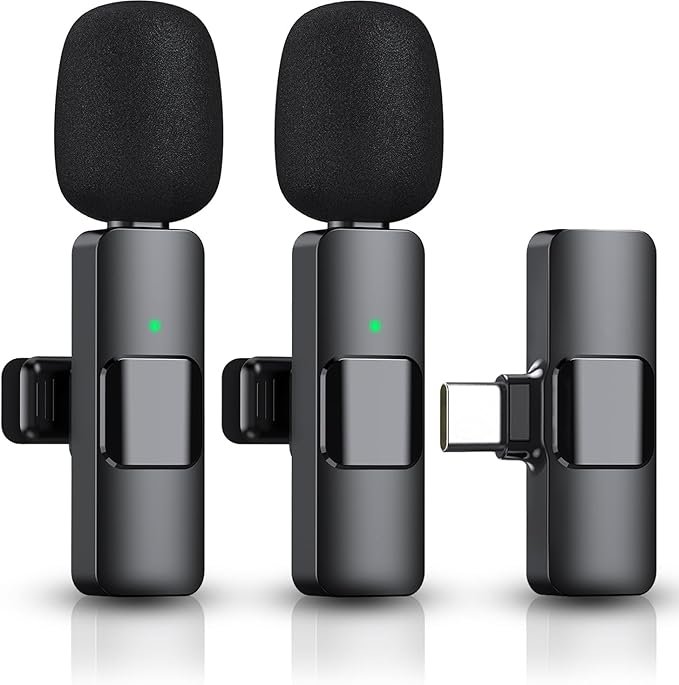
In 2026, Professional Wireless Microphones have split into two distinct high-performance categories: UHF Systems for stage/concert use and 2.4GHz Digital Systems for content creators and broadcasters. The major innovation this year is the widespread use of 32-bit float recording, which makes it impossible to “clip” or distort the audio, regardless of how loud the source is.
1. Top Professional Models for 2026
| Model | Category | Key 2026 Feature | Best For |
|---|---|---|---|
| Shure Axient Digital | Touring Pro | Maximum spectral efficiency; “Next-gen” interference avoidance. | Major concerts and live television. |
| Sennheiser EW-D | Performance | Digital UHF with Equidistant Grid (easier frequency setup). | Churches, theaters, and mid-sized venues. |
| RØDE Wireless PRO | Content Creator | 32-bit float on-board recording & Timecode support. | Videographers and high-end YouTubers. |
| DJI Mic Mini | Compact Pro | Massive 48-hour battery life (with case) and tiny footprint. | Travel vloggers and mobile journalists. |
| Shure MoveMic | Broadcasting | Connects directly to smartphones without a receiver. | Social media creators and live streamers. |
2. Choosing the Right Frequency Band
- UHF (Ultra High Frequency): This remains the choice for professional stages. It offers long range (up to 100m+) and penetrates through walls and crowds better than digital signals.
- 2.4GHz Digital: Ideal for shorter ranges (30m–50m) and “plug-and-play” setups. These are perfect for video production but can struggle in environments with many Wi-Fi routers.
3. Key 2026 Technologies
- 32-bit Float Recording: Available on the RØDE Wireless PRO and high-end Sennheiser units. This allows you to recover “distorted” audio in post-production. Even if someone screams into the mic, the data is saved perfectly.
- Smart Assist Apps: Modern systems (like Sennheiser’s EW-D) allow you to scan for clear frequencies and manage gain levels directly from your smartphone via Bluetooth.
- Internal Backup: Professional transmitters now often include internal storage (e.g., 8GB–32GB) to record a backup copy of the audio in case the wireless signal drops out.
Would you like me to find a specific local dealer in Mexico City or Madrid for Shure/Sennheiser gear, or do you need a comparison of the best lapel vs. handheld options for your specific use case?In 2026, Professional Wireless Microphones have split into two distinct high-performance categories: UHF Systems for stage/concert use and 2.4GHz Digital Systems for content creators and broadcasters. The major innovation this year is the widespread use of 32-bit float recording, which makes it impossible to “clip” or distort the audio, regardless of how loud the source is.
1. Top Professional Models for 2026
| Model | Category | Key 2026 Feature | Best For |
|---|---|---|---|
| Shure Axient Digital | Touring Pro | Maximum spectral efficiency; “Next-gen” interference avoidance. | Major concerts and live television. |
| Sennheiser EW-D | Performance | Digital UHF with Equidistant Grid (easier frequency setup). | Churches, theaters, and mid-sized venues. |
| RØDE Wireless PRO | Content Creator | 32-bit float on-board recording & Timecode support. | Videographers and high-end YouTubers. |
| DJI Mic Mini | Compact Pro | Massive 48-hour battery life (with case) and tiny footprint. | Travel vloggers and mobile journalists. |
| Shure MoveMic | Broadcasting | Connects directly to smartphones without a receiver. | Social media creators and live streamers. |
2. Choosing the Right Frequency Band
- UHF (Ultra High Frequency): This remains the choice for professional stages. It offers long range (up to 100m+) and penetrates through walls and crowds better than digital signals.
- 2.4GHz Digital: Ideal for shorter ranges (30m–50m) and “plug-and-play” setups. These are perfect for video production but can struggle in environments with many Wi-Fi routers.
3. Key 2026 Technologies
- 32-bit Float Recording: Available on the RØDE Wireless PRO and high-end Sennheiser units. This allows you to recover “distorted” audio in post-production. Even if someone screams into the mic, the data is saved perfectly.
- Smart Assist Apps: Modern systems (like Sennheiser’s EW-D) allow you to scan for clear frequencies and manage gain levels directly from your smartphone via Bluetooth.
- Internal Backup: Professional transmitters now often include internal storage (e.g., 8GB–32GB) to record a backup copy of the audio in case the wireless signal drops out.