
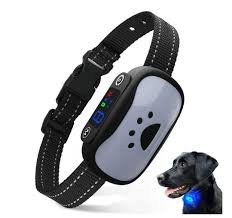
Dog Shock Collar with Remote
A dog shock collar with remote is a popular training tool used to correct undesirable behaviors in dogs. These collars allow pet owners to control the level of stimulation delivered to their dog through a remote device. The collar can emit different types of feedback, including a mild electric shock, vibration, or sound (beep), depending on the model. The goal is to help correct behaviors such as excessive barking, running away, or jumping on people by providing immediate feedback when the dog engages in unwanted actions.
If you’re considering using one, here’s everything you need to know about dog shock collars with remote, including how they work, their benefits, and the best practices for using them.
How Does a Dog Shock Collar with Remote Work?
- The Collar: The collar fits around your dog’s neck and contains a receiver that delivers the stimulation (shock, vibration, or beep). It’s designed to be lightweight and adjustable to fit comfortably on your dog.
- The Remote: The remote control allows you to trigger the stimulation at a distance. Depending on the model, the remote might work from a range of up to 500 yards or even more, which makes it useful for outdoor training sessions and off-leash activities.
- Stimulation Types:
- Shock: A mild electrical pulse delivered to the dog’s neck. The intensity can usually be adjusted from low to high.
- Vibration: A gentle vibration that can serve as a warning or reminder to the dog.
- Beep/Tone: A simple sound that gets the dog’s attention without causing any discomfort.
- Adjustable Levels: Most shock collars offer a range of intensity settings so you can choose a level that’s appropriate for your dog’s temperament and sensitivity. It’s best to start with the lowest setting and increase only if necessary.
- Training Modes: In addition to shock, many models offer vibration or sound as alternatives, which are often used before resorting to the shock feature. This can help avoid physical discomfort for your dog.
Why Use a Dog Shock Collar with Remote?
- Corrects Unwanted Behaviors: These collars are often used for correcting undesirable behaviors like:
- Excessive barking
- Running away or ignoring recall commands
- Jumping on people or furniture
- Chewing on inappropriate items
- Digging in the yard
- Remote Control Flexibility: The remote feature allows you to correct behaviors from a distance, which is especially useful for off-leash training. You can give immediate feedback when your dog is not within reach, making it ideal for large yards or outdoor areas.
- Immediate Feedback: Shock collars deliver immediate feedback, which helps the dog associate the correction with the specific behavior they were doing at the moment.
- Reinforces Other Training: When used properly, a shock collar can help reinforce other types of training, such as teaching your dog to stop barking on command, come when called, or stay within a designated area.
Benefits of Using a Dog Shock Collar with Remote
- Quick and Effective Training: For dogs that are stubborn or have learned to ignore verbal commands, the remote shock collar can provide immediate attention-grabbing feedback. This helps speed up the learning process in some cases.
- Versatility: Most modern shock collars come with various modes of stimulation, like vibration or sound, that allow you to tailor the training method to your dog’s specific needs.
- Long Range Control: Many models provide a long-range signal, which means you can train your dog even when they are far from you (in a large backyard or at the dog park).
- Safety and Behavior Correction: Properly used, these collars can help reinforce positive behaviors while stopping negative ones, especially for behaviors that can be dangerous to the dog or others (such as running into traffic or aggressive behavior).
Risks and Considerations
- Physical and Emotional Risks: If used improperly, shock collars can cause physical harm (e.g., burns or sores) and emotional harm (e.g., fear or anxiety). It’s important to avoid using the shock function unless absolutely necessary and always use the lowest level of stimulation.
- Misuse: It’s easy for owners to become frustrated and overuse the shock feature, which can lead to negative behavioral associations. Be sure to combine the use of a shock collar with positive reinforcement and never use it as the sole training tool.
- Not for All Dogs: Some dogs may be more sensitive to shocks or vibrations, and shock collars may not be effective for all breeds or individual dogs. It’s important to consider your dog’s temperament before using one.
- Inconsistent Results: Shock collars can be effective for certain behavioral issues, but they don’t address the root cause of the behavior. In some cases, training might need to include other methods (like positive reinforcement or professional training) for long-term success.
Best Practices for Using a Dog Shock Collar with Remote
- Start with Low Intensity: Always start with the lowest setting and gradually increase it only if needed. Most dogs respond to the gentler settings, so it’s important to avoid causing unnecessary discomfort.
- Use It for Specific Behaviors: Make sure you’re using the shock collar for specific issues, such as excessive barking or recall, and not for general training purposes.
- Use Positive Reinforcement: Shock collars should be used as part of a well-rounded training plan that includes positive reinforcement like treats, praise, or play. This helps the dog associate good behavior with rewards and bad behavior with consequences.
- Monitor Your Dog’s Reaction: Pay attention to how your dog reacts to the collar. If they seem stressed or frightened, you may need to adjust the training approach or consult a professional trainer.
- Limit Training Sessions: Avoid using the collar for extended periods, and never leave it on your dog for too long. Prolonged use can cause discomfort or anxiety. Always remove the collar after the training session.
Popular Dog Shock Collars with Remote
Here are a few top-rated dog shock collars with remote that are widely used for training:
1. SportDOG FieldTrainer 525 Remote Trainer
- Range: 500 yards
- Modes: 7 levels of static stimulation, plus vibration and tone modes
- Features: Waterproof, durable, and rechargeable
- Best For: Outdoor training, off-leash work, and various types of behavior correction
2. PetSafe Remote Trainer
- Range: 300 yards
- Modes: 15 levels of static stimulation, vibration, and tone
- Features: Waterproof, adjustable fit, rechargeable
- Best For: Basic obedience training and mild behavioral issues like excessive barking
3. Dogtra iQ No Bark Collar
- Range: Short range, typically up to 100 feet (suitable for indoor or small-yard use)
- Modes: 1-8 levels of static stimulation, beep and vibration modes
- Features: Lightweight, adjustable fit, designed for small to medium dogs
- Best For: Preventing excessive barking and other small behavioral issues
4. Garmin Delta XC Remote Trainer
- Range: 1 mile
- Modes: 18 levels of static stimulation, vibration, and tone
- Features: Waterproof, rechargeable, and designed for multi-dog training
- Best For: Long-distance training, multiple dogs, and advanced behavioral corrections
5. PetSafe Remote Spray Trainer
- Range: 300 yards
- Modes: Citronella spray, vibration, and tone
- Features: Refill cartridges for citronella spray, lightweight and adjustable
- Best For: Barking control without electrical stimulation
Alternatives to Dog Shock Collars
If you’re looking for an alternative to the traditional shock collar, here are some options:
- Vibration Collars: These collars provide a non-invasive way to get your dog’s attention and are especially useful for dogs with a sensitive temperament.
- Citronella Spray Collars: Instead of a shock, these collars release a burst of citronella spray when the dog barks, which is a more humane option for barking control.
- Positive Reinforcement: Using treats, praise, and toys to reward good behavior is one of the most effective and humane ways to train your dog.
Conclusion
A dog shock collar with remote can be an effective tool for training and correcting certain unwanted behaviors in dogs, especially when used responsibly. It’s important to ensure that you’re using the collar in conjunction with other positive training methods and always prioritize your dog’s well-being. If you have any doubts or concerns, consider consulting a professional trainer who specializes in positive reinforcement methods.
Would you like more recommendations on specific models or need guidance on alternative training methods?