
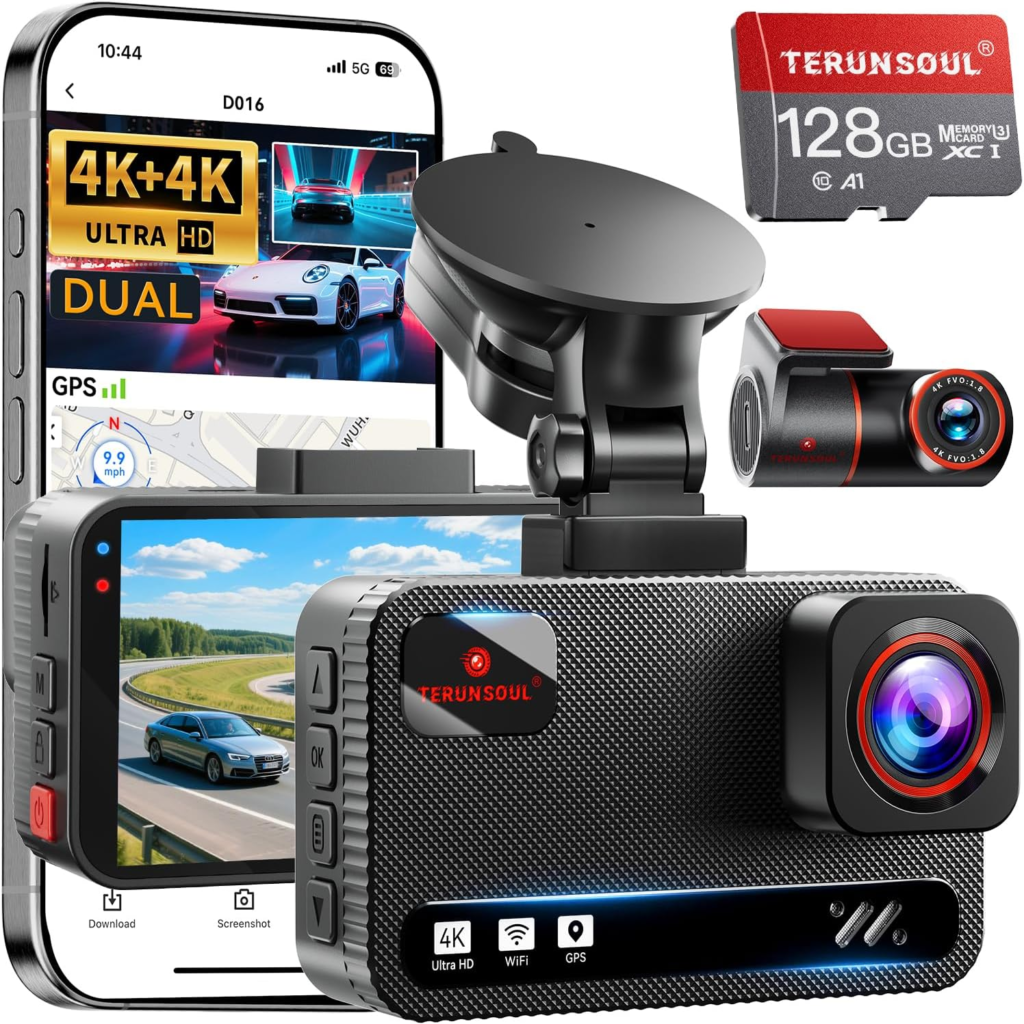
Front and Rear Dash Cam: Complete Guide to Safer Driving and Reliable Road Evidence
In today’s world, driving without a dash cam is becoming increasingly risky. Accidents, insurance disputes, road rage incidents, and even false claims can happen when you least expect them. A front and rear dash cam offers a reliable solution by recording everything happening both ahead of and behind your vehicle. This dual-camera setup provides comprehensive coverage, peace of mind, and crucial video evidence when it matters most.
In this in-depth guide, we’ll explore how front and rear dash cams work, their key benefits, essential features to look for, installation tips, and why investing in a dual dash cam system is a smart decision for any driver.
What Is a Front and Rear Dash Cam?
A front and rear dash cam, also known as a dual dash cam, consists of two cameras:
- A front camera that records the road ahead
- A rear camera that captures activity behind your vehicle
Both cameras work simultaneously, recording high-definition video while you drive or when your vehicle is parked (if parking mode is supported). The footage is stored on a memory card or cloud storage, depending on the model.
This dual-channel setup ensures complete visibility, making it easier to determine fault in accidents and protect yourself against false claims.
Why You Need a Front and Rear Dash Cam
1. Complete Accident Coverage
Most accidents involve multiple angles. A single front camera may not capture a rear-end collision or tailgating incident. A front and rear dash cam records both perspectives, providing clear evidence of what actually happened.
2. Protection Against Insurance Fraud
Insurance scams and staged accidents are increasingly common. Dash cam footage can protect you from false accusations and speed up insurance claims by providing undeniable proof.
3. Improved Parking Security
Many dual dash cams include parking mode, which activates recording when motion or impact is detected while your vehicle is parked. This is especially useful for hit-and-run incidents in parking lots.
4. Safer Driving Habits
Knowing that your driving is being recorded often encourages safer behavior. Fleet managers and rideshare drivers frequently use dash cams to promote responsible driving.
Key Features to Look for in a Front and Rear Dash Cam
Choosing the right dash cam can make a significant difference in performance and reliability. Here are the most important features to consider:
1. Video Resolution and Image Quality
High-resolution recording ensures that license plates, road signs, and faces are clearly visible. Look for:
- Front camera: 1080p, 2K, or 4K
- Rear camera: 1080p HD
Higher resolution improves clarity, especially in low-light conditions.
2. Wide-Angle Lens
A wide field of view (typically 140°–170°) allows the camera to capture more of the road and surrounding lanes, reducing blind spots.
3. Night Vision and Low-Light Performance
Dash cams with advanced sensors, infrared support, or HDR technology perform better at night. This is essential for capturing clear footage during nighttime driving or in poorly lit areas.
4. Loop Recording
Loop recording automatically overwrites the oldest footage when the memory card is full, ensuring continuous recording without manual deletion.
5. G-Sensor and Emergency Lock
A built-in G-sensor detects sudden movements or impacts and automatically locks important video files so they are not overwritten.
6. Parking Mode
Parking mode keeps your vehicle protected when it’s parked. The camera activates when it detects motion or vibration, capturing potential incidents even when the engine is off.
7. GPS Tracking
Some dash cams include GPS to record speed, location, and route data. This information can be valuable for insurance claims or legal evidence.
8. Wi-Fi and Mobile App Support
Wi-Fi connectivity allows you to view, download, and share footage directly from your smartphone using a dedicated app.
Installation and Setup
Installing a front and rear dash cam is generally straightforward. Most kits include mounting accessories, cables, and instructions.
Installation Tips:
- Mount the front camera behind the rearview mirror for minimal obstruction
- Position the rear camera at the top of the rear windshield
- Route cables along the vehicle’s trim to keep them hidden
- Use a hardwire kit for parking mode functionality
Many drivers choose professional installation, especially for hardwired setups.
Who Should Use a Front and Rear Dash Cam?
A dual dash cam is beneficial for:
- Daily commuters
- Rideshare drivers (Uber, Lyft, taxis)
- Delivery drivers and fleet vehicles
- New or inexperienced drivers
- Travelers and road-trip enthusiasts
- Anyone concerned about vehicle security
Pros and Cons of Front and Rear Dash Cams
Pros:
- Full front and rear coverage
- Strong evidence for accidents and disputes
- Enhanced parking security
- Encourages safer driving habits
- Easy installation and operation
Cons:
- Slightly higher cost than single-camera models
- Requires proper cable management
- Parking mode may require hardwiring
How a Front and Rear Dash Cam Saves You Money
Although a dual dash cam requires an upfront investment, it can save you money long-term by:
- Reducing insurance claim disputes
- Preventing false liability
- Avoiding legal expenses
- Potentially lowering insurance premiums
The cost of a quality dash cam is minimal compared to the financial impact of a disputed accident.
Final Verdict
A front and rear dash cam is one of the most practical and valuable accessories you can add to your vehicle. With dual-channel recording, high-definition video, parking protection, and smart safety features, it provides peace of mind every time you drive.
Whether you’re a daily commuter, rideshare driver, or someone who simply values security, a front and rear dash cam offers reliable protection and crucial evidence when you need it most.