
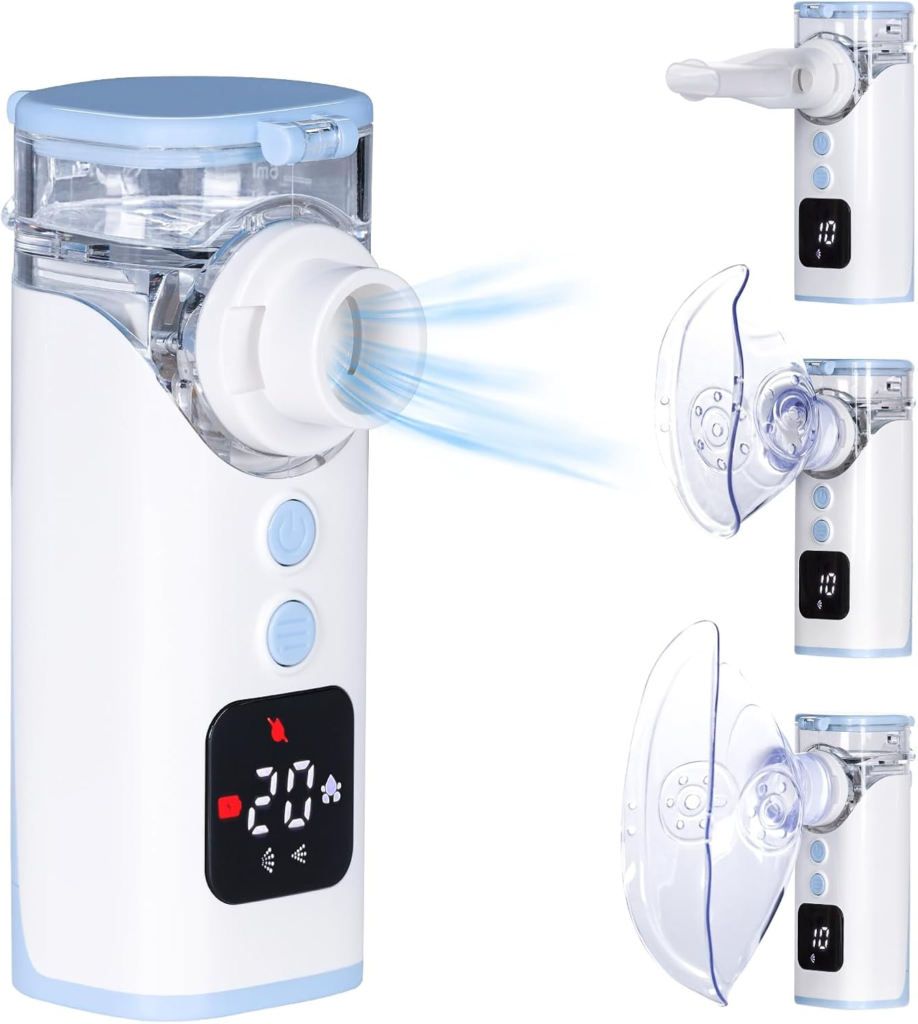
Children’s Inhaler: A Complete Guide for Parents and Caregivers
Breathing problems in children can be frightening for parents and caregivers. Conditions such as asthma, bronchitis, and other respiratory issues require quick, effective, and child-friendly treatment options. A children’s inhaler is one of the most commonly prescribed and trusted tools for managing these conditions and ensuring that children can breathe comfortably and safely.
This comprehensive guide explains what a children’s inhaler is, how it works, the different types available, key benefits, and what parents should consider when choosing the right inhaler for their child.
What Is a Children’s Inhaler?
A children’s inhaler is a medical device designed to deliver medication directly into a child’s lungs. It is commonly used to treat asthma and other respiratory conditions by providing fast relief from symptoms such as wheezing, shortness of breath, coughing, and chest tightness.
Children’s inhalers are specifically designed with smaller lungs, lower dosage requirements, and ease of use in mind. Many models also feature child-friendly designs and compatibility with spacers or masks to ensure proper medication delivery.
How Does a Children’s Inhaler Work?
A children’s inhaler works by converting medication into a fine mist or aerosol that can be inhaled directly into the airways. This targeted delivery allows the medicine to act quickly while minimizing side effects compared to oral medications.
When used correctly, inhalers help:
- Open narrowed airways
- Reduce inflammation in the lungs
- Prevent asthma attacks
- Improve breathing efficiency
Doctors often recommend using inhalers with a spacer device for children, as it helps ensure the correct dose reaches the lungs.
Types of Children’s Inhalers
Metered-Dose Inhalers (MDI)
These are the most common inhalers for children. They release a measured amount of medication with each press. MDIs are often used with spacers or masks for better coordination and effectiveness.
Dry Powder Inhalers (DPI)
Dry powder inhalers deliver medication in powder form and are breath-activated. These are typically recommended for older children who can inhale deeply and correctly.
Nebulizers
Although not technically inhalers, nebulizers are often used for younger children or severe cases. They convert liquid medicine into a mist that can be inhaled through a mask.
Preventer vs Reliever Inhalers
- Reliever inhalers provide quick relief during asthma attacks.
- Preventer inhalers are used daily to reduce inflammation and prevent symptoms.
Benefits of Using a Children’s Inhaler
Fast-Acting Relief
Inhalers deliver medication directly to the lungs, offering faster relief compared to tablets or syrups.
Targeted Treatment
Because the medicine goes straight to the airways, lower doses are needed, reducing the risk of side effects.
Child-Friendly Designs
Many children’s inhalers are designed to be lightweight, easy to hold, and compatible with spacers and masks.
Improved Long-Term Control
Regular use of prescribed inhalers can significantly reduce asthma attacks and hospital visits.
Common Conditions Treated with Children’s Inhalers
Children’s inhalers are commonly used to manage:
- Asthma
- Exercise-induced bronchoconstriction
- Chronic cough
- Allergic airway inflammation
- Wheezing due to respiratory infections
Always consult a healthcare professional for diagnosis and treatment recommendations.
How to Choose the Right Children’s Inhaler
Selecting the right inhaler for your child depends on several important factors:
Age and Ability
Younger children often need MDIs with spacers and masks, while older children may use DPIs independently.
Ease of Use
Look for inhalers that are simple to operate and easy for both children and parents to manage.
Compatibility with Spacers
Spacers improve medication delivery and are strongly recommended for children.
Dosage Accuracy
Choose inhalers that provide consistent and reliable dosing with each use.
Doctor’s Recommendation
Always follow your pediatrician’s advice regarding inhaler type and medication.
Tips for Using a Children’s Inhaler Effectively
- Teach your child proper inhaler technique early.
- Use a spacer to improve medication delivery.
- Clean the inhaler regularly according to instructions.
- Track usage to avoid running out of medication.
- Monitor symptoms and report changes to your doctor.
Why a Quality Children’s Inhaler Matters
A reliable children’s inhaler can significantly improve a child’s quality of life. It allows children to participate in school, sports, and daily activities without constant fear of breathing difficulties. Investing in a high-quality inhaler and accessories ensures effective treatment and peace of mind for parents.
Safety and Medical Disclaimer
Children’s inhalers should always be used under medical supervision. Dosage, frequency, and inhaler type must be prescribed by a qualified healthcare professional. This article is for informational purposes only and does not replace professional medical advice.
Final Thoughts
A children’s inhaler is an essential tool in managing childhood respiratory conditions safely and effectively. With the right inhaler, proper technique, and medical guidance, children can lead active, healthy lives with fewer breathing challenges.