
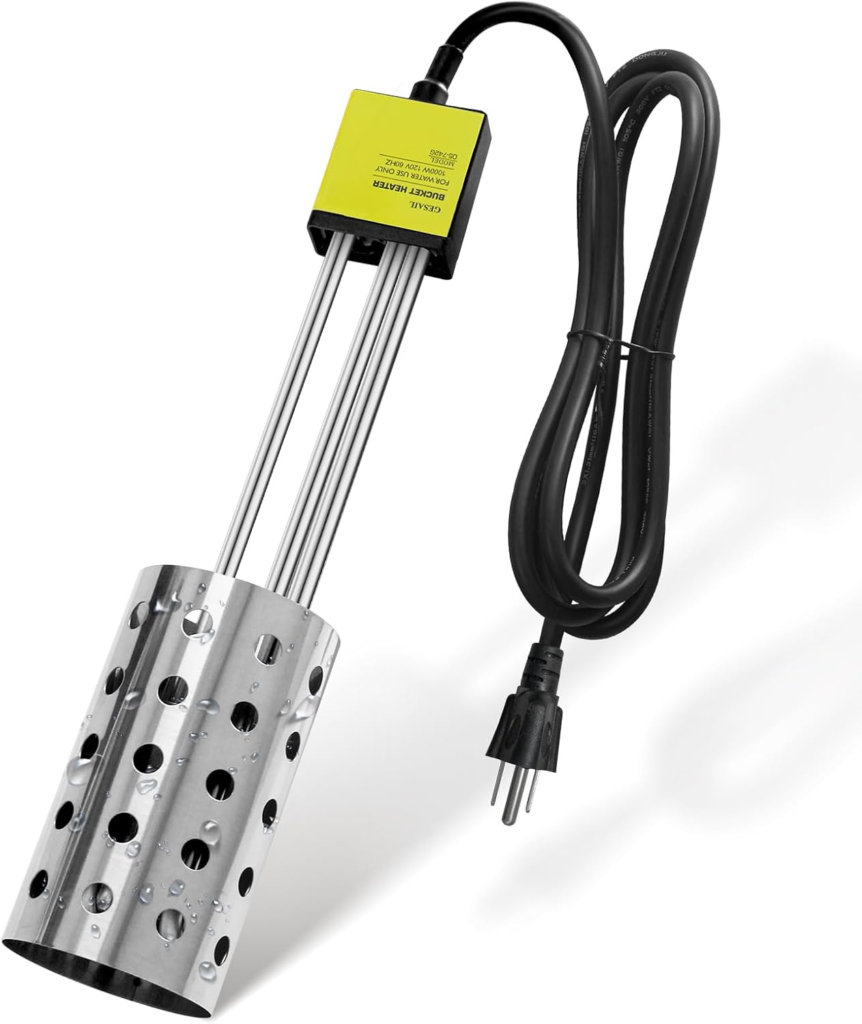
Bucket Heater: Keep Liquids Warm and Functional with Ease
Whether you’re working on a farm, running a workshop, or handling industrial processes, maintaining the right temperature of liquids is critical. A Bucket Heater is a versatile and efficient tool that keeps water, chemicals, and other liquids at a consistent temperature, preventing freezing, improving usability, and supporting safety.
In this detailed guide, we’ll explore the benefits, types, features, and buying tips for bucket heaters, helping you choose the right solution for your home, farm, or industrial needs.
What Is a Bucket Heater?
A Bucket Heater is a device designed to heat the contents of a bucket or container, ensuring liquids remain at an optimal temperature. These heaters are widely used for tasks like warming water for livestock, maintaining chemicals in industrial applications, or keeping paint and other materials ready for use.
Most bucket heaters include:
- Durable heating elements designed to be submerged in liquids
- Adjustable thermostats for precise temperature control
- Energy-efficient operation to reduce electricity costs
- Safety features such as automatic shut-off or overheating protection
- Compatibility with standard bucket sizes
By delivering controlled heat, bucket heaters prevent freezing, maintain liquid consistency, and make daily operations smoother and more efficient.
Benefits of Using a Bucket Heater
Prevents Freezing
During winter or in cold environments, bucket heaters prevent water or other essential liquids from freezing, which can disrupt operations.
Maintains Usable Liquid Temperature
Keeps liquids like water, chemicals, and paints at a consistent temperature, ensuring they remain functional for immediate use.
Saves Time and Labor
By maintaining the proper temperature, bucket heaters eliminate the need for manual heating or thawing, increasing productivity.
Versatile Applications
Suitable for farms, workshops, construction sites, laboratories, and industrial processes, bucket heaters offer wide-ranging utility.
Energy Efficient
Many modern heaters are designed to operate efficiently, heating liquids quickly without consuming excessive electricity.
Durable and Safe
High-quality models include corrosion-resistant elements and safety mechanisms, providing long-term reliability.
Types of Bucket Heaters
Immersion Bucket Heaters
- Heating element is submerged directly into the liquid
- Provides rapid, even heating
- Commonly used for water, milk, or chemical solutions
Band or Wrap-Around Bucket Heaters
- Wraps around the exterior of the bucket
- Ideal for maintaining temperature without direct contact with liquid
- Often used for paint, oils, or other sensitive liquids
Flat-Base Bucket Heaters
- Placed at the bottom of the container
- Provides uniform heat distribution from the base
- Works well for larger buckets or drums
Digital or Thermostat-Controlled Heaters
- Allows precise temperature adjustment
- Automatically maintains set temperature
- Reduces risk of overheating or underheating liquids
Key Features to Look for in a Bucket Heater
Wattage and Heating Power
Higher wattage allows for faster heating, but it should be compatible with your power source.
Temperature Control
Adjustable thermostats or digital controls provide flexibility and prevent overheating.
Safety Features
Look for models with automatic shut-off, thermal cut-off, and corrosion-resistant elements.
Durability
High-quality stainless steel or coated heating elements last longer and resist corrosion, especially in chemical or outdoor use.
Size and Compatibility
Ensure the heater fits standard bucket sizes or the specific containers you plan to use.
Portability
Some bucket heaters are lightweight and portable, making them easy to move between locations.
How to Use a Bucket Heater Effectively
- Check Compatibility: Ensure the heater is suitable for the liquid type and bucket size.
- Inspect for Damage: Examine the heating element and electrical cord before use.
- Position Correctly: For immersion heaters, submerge according to manufacturer guidelines; for wrap-around heaters, secure snugly around the bucket.
- Set Temperature: Adjust the thermostat to the desired temperature based on your application.
- Monitor Safely: Avoid leaving the heater unattended for extended periods, especially with sensitive liquids.
- Maintenance: Regularly clean and inspect to prevent buildup, corrosion, or damage.
Proper usage ensures maximum efficiency, safety, and durability of the heater.
Who Can Benefit from a Bucket Heater?
- Farmers and Livestock Owners: Keep water and feed liquids from freezing during winter.
- Industrial Operators: Maintain chemical solutions or process liquids at precise temperatures.
- Construction Professionals: Keep adhesives, paints, or sealants at workable temperatures.
- Laboratory and Research Facilities: Control liquid temperature for experiments and testing.
- DIY Enthusiasts: Ensure oils, soaps, or other liquid materials remain functional in home workshops.
Advantages Over Traditional Heating Methods
- Provides direct and controlled heat without repeated manual intervention
- Reduces energy waste compared to stove or oven heating
- Maintains consistent liquid temperature without frequent monitoring
- Prevents damage caused by freezing or uneven heating
- Offers portability and flexibility for different applications
Final Thoughts
A Bucket Heater is an essential tool for anyone who needs to keep liquids at a stable and usable temperature. By providing reliable, energy-efficient, and safe heating, bucket heaters save time, protect materials, and improve productivity.
Whether for farm, industrial, or home use, investing in a high-quality bucket heater ensures you can maintain liquids in optimal condition, even in the coldest environments.