
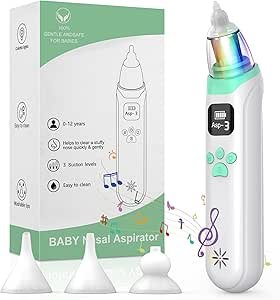
Nasal Aspirator for Babies: A Parent’s Guide to Choosing the Right One
As a parent, one of the most frustrating experiences can be seeing your baby struggle with nasal congestion. Babies can’t blow their noses, so when they get a cold, allergy symptoms, or just have excess mucus, it can cause them to feel miserable. A nasal aspirator is a simple yet effective tool designed to clear your baby’s nose, helping them breathe easier, sleep better, and feed more comfortably.
In this guide, we’ll cover what a nasal aspirator is, the different types available, how to use one properly, and how to choose the best option for your little one.
What is a Nasal Aspirator for Babies?
A nasal aspirator is a device used to remove mucus from a baby’s nasal passages. Because babies are too young to blow their noses, nasal aspirators are essential for clearing congestion. These devices gently suction out mucus, allowing babies to breathe freely and comfortably.
Whether your baby has a stuffy nose from a cold, dry air, or allergies, using a nasal aspirator can help prevent complications like ear infections or difficulty feeding. There are different types of nasal aspirators, each offering unique features and benefits.
Types of Nasal Aspirators for Babies
1. Bulb Syringe (Manual Nasal Aspirator)
The bulb syringe is the most basic and traditional type of nasal aspirator. It’s made of soft rubber, shaped like a bulb, with a small nozzle on one end. You squeeze the bulb to create suction, then gently place the nozzle in the baby’s nostril to remove mucus.
Pros:
- Affordable and widely available.
- Simple to use with no need for batteries or electricity.
- Easy to clean and sterilize.
Cons:
- Less effective compared to electric models.
- Requires more effort from the parent.
- Can be difficult to create consistent suction.
2. Electric Nasal Aspirator
Electric nasal aspirators use a battery-powered motor to create gentle suction to remove mucus from your baby’s nose. These are designed to make the process easier and quicker for parents, often with adjustable suction power to accommodate the baby’s comfort.
Pros:
- More efficient suction than manual versions.
- Gentle and less likely to irritate the baby’s sensitive nose.
- Some models are quieter than manual aspirators.
- Easier and faster for parents to use.
Cons:
- More expensive than manual aspirators.
- Requires batteries or charging, adding to the cost.
- Needs regular cleaning to ensure hygiene.
3. Battery-Operated Nasal Aspirator
Battery-operated aspirators are a compact version of electric models, powered by AA or AAA batteries. These are portable and great for on-the-go use, making them a popular choice for travel or when you need a quick solution.
Pros:
- Portable and lightweight.
- Convenient for travel and everyday use.
- Affordable compared to high-end electric models.
Cons:
- Suction power may not be as strong as rechargeable electric models.
- Batteries need to be replaced periodically.
- Requires more cleaning and maintenance.
4. Nasal Aspirators with Disposable Tips
Some nasal aspirators offer disposable tips, which can be replaced after each use. This option can be more hygienic, as you don’t have to clean the tips after every use. Disposable tips also prevent the buildup of bacteria.
Pros:
- Hygienic since you replace the tip after each use.
- Ideal for quick and frequent use, especially when traveling.
- Prevents contamination or spread of germs.
Cons:
- Requires buying replacement tips, which can add up.
- Not as environmentally friendly as reusable options.
How to Choose the Right Nasal Aspirator for Your Baby
Choosing the right nasal aspirator depends on several factors, such as your baby’s age, the type of congestion they’re experiencing, and your personal preferences. Here’s a guide to help you pick the best one:
1. Age and Sensitivity of Your Baby
- Newborns (under 3 months): For very young infants, a gentle manual bulb syringe or an electric nasal aspirator with soft suction and tips is recommended. Newborns’ nasal passages are very sensitive, so look for a model with adjustable suction power.
- Older Babies and Toddlers (over 6 months): For babies who are more tolerant to suction, a stronger electric or battery-operated aspirator can work well. These can quickly clear congestion, especially during a cold or flu season.
2. Suction Power
- Low to Moderate Suction: For newborns and younger infants, choose a nasal aspirator with gentle suction, as excessive suction can irritate their delicate nasal lining. Many electric aspirators offer multiple suction levels.
- Stronger Suction: Older babies or toddlers who have more mucus buildup may benefit from a nasal aspirator with stronger suction. However, be sure to adjust the suction settings to a lower level to ensure comfort.
3. Ease of Cleaning
- Hygiene is key when it comes to nasal aspirators. Babies have delicate immune systems, so you’ll want to choose a model that’s easy to clean and sterilize.
- Dishwasher-safe parts: Some electric models have parts that can be cleaned in the dishwasher, which saves time.
- Removable, washable tips: Ensure the tip can be easily detached and cleaned after every use.
- Disposable tips: These are convenient but make sure you’re aware of the ongoing cost.
4. Noise Level
Babies are often sensitive to loud noises, especially when they’re already feeling unwell. Opt for a nasal aspirator that is quiet and gentle to avoid startling or upsetting your baby.
5. Portability
- If you travel frequently, a battery-operated nasal aspirator or a compact manual aspirator might be more convenient.
- Look for an easy-to-carry case or a small, lightweight model for travel.
How to Use a Nasal Aspirator for Babies
Using a nasal aspirator on your baby may seem intimidating at first, but with a little practice, it becomes a simple process. Follow these steps to make it as easy and comfortable as possible:
- Prepare Your Baby: Choose a time when your baby is calm, such as after a bath or a nap. Gently hold your baby in your lap or lay them down with their head slightly tilted back (you may want to have someone help hold them still).
- Choose the Right Tip: For manual aspirators, use the soft, flexible nozzle. For electric models, ensure the suction strength is set to the lowest setting for younger babies.
- Insert the Tip: Gently insert the nozzle or tip into one of your baby’s nostrils. Do not push it too far into the nose.
- Activate the Suction:
- Manual Aspirator: Squeeze the bulb to create suction and gently remove the mucus.
- Electric Aspirator: Turn the device on and let it suction out the mucus.
- Clean the Aspirator: After using the aspirator, clean all parts thoroughly. If using a disposable tip, replace it for the next use.
- Repeat for the Other Nostril: If necessary, repeat the process on the other nostril.
Tips for Effective Use
- Use Saline Drops: To loosen up thick mucus, use saline nasal drops or spray before using the aspirator. This will make it easier to clear your baby’s nose.
- Avoid Overuse: Excessive suction can irritate the nasal passages. Limit the use of the aspirator to once or twice a day or as needed.
- Be Gentle: Always be gentle and patient while using the aspirator, especially if your baby is fussy or uncomfortable.
Popular Nasal Aspirators for Babies
- FridaBaby NoseFrida
- A manual nasal aspirator that uses parent-powered suction to clear mucus. It comes with disposable filters to keep it hygienic and easy to clean.
- Braun Nasal Aspirator
- This electric model has multiple suction settings and a soft tip for gentle use. It’s well-regarded for its quiet operation and efficiency.
- BabySmile Electric Nasal Aspirator
- Known for its strong yet gentle suction, the BabySmile aspirator is great for babies of all ages. It’s easy to use, portable, and comes with adjustable suction levels.
- OCCObaby Electric Nasal Aspirator
- A battery-powered model that offers three adjustable suction levels. It comes with silicone tips that are easy to clean and use.
- BooginHead Squeezy-que
- A simple, manual bulb syringe with a soft, squeezable body that provides gentle suction. Great for parents who want a traditional, low-tech option.
Conclusion
A nasal aspirator is an essential tool for parents of babies, providing much-needed relief from nasal congestion and making it easier for your little one to breathe, sleep, and feed comfortably. Whether you choose a manual bulb syringe, a battery-operated model, or an electric aspirator, the right tool can make a world of difference for both you and your baby. When selecting a nasal aspirator, keep in mind the suction strength, ease of cleaning, and your