
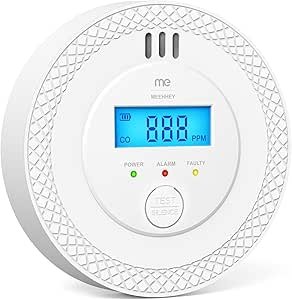
The Importance of a Carbon Monoxide Detector: Protecting Your Home and Loved Ones
Carbon monoxide (CO) is an odorless, colorless, and tasteless gas that can be deadly if inhaled in large quantities. It is produced by the incomplete combustion of fossil fuels, such as in gas stoves, fireplaces, water heaters, and vehicles. Because it is undetectable by human senses, carbon monoxide is often referred to as the “silent killer.” This is why having a carbon monoxide detector in your home is not just a safety measure—it’s an essential life-saving device.
In this blog, we will explore what a carbon monoxide detector is, how it works, why it’s so important, and the best options available for keeping your home safe.
What is a Carbon Monoxide Detector?
A carbon monoxide detector is a safety device that senses the presence of carbon monoxide in the air. When CO levels reach a dangerous threshold, the detector sounds an alarm to alert the occupants. These detectors use different types of sensors to monitor air quality and trigger an alarm when the concentration of CO rises to a level that could pose a risk to health.
Why You Need a Carbon Monoxide Detector
Carbon monoxide poisoning can occur without warning, and the symptoms can easily be mistaken for common illnesses such as the flu. Early detection is critical for preventing harmful exposure, and a carbon monoxide detector can save lives by providing an early warning.
1. Protects Against Poisoning
Carbon monoxide can cause symptoms like headaches, dizziness, nausea, confusion, and even death if inhaled in large quantities over time. The gas displaces oxygen in the bloodstream, which can lead to serious health issues or even fatality. A detector is designed to alert you before CO levels reach a dangerous point, allowing you to evacuate and seek fresh air.
2. No Need for Human Detection
Since CO is invisible and odorless, it can accumulate without your knowledge. Even if you feel no discomfort or health issues, dangerous levels of carbon monoxide can still be present in your home. A carbon monoxide detector continuously monitors the air and offers protection when you’re not able to detect it yourself.
3. A Critical Component of Home Safety
Many home heating systems, including gas stoves, furnaces, and water heaters, can emit carbon monoxide. A malfunction, leak, or blockage in the venting system can cause dangerous levels of CO to accumulate indoors. Carbon monoxide detectors are essential for keeping your family safe from this hidden threat, especially in colder months when heating systems are most often in use.
4. Required by Law in Many Areas
In many states and municipalities, carbon monoxide detectors are legally required in homes, especially those with fuel-burning appliances. Some local laws even mandate that these detectors be installed near bedrooms or in hallways, ensuring that people are alerted while they sleep.
5. Peace of Mind
Knowing that your home is equipped with reliable CO detectors provides peace of mind, especially for families with young children, the elderly, or those with respiratory conditions. With a detector in place, you can rest easy, knowing you have an early warning system to protect your loved ones.
How Do Carbon Monoxide Detectors Work?
Carbon monoxide detectors operate using different types of sensors, and the two most common types are:
- Electrochemical Sensors:
- This is the most common and accurate type of CO sensor.
- It works by using a chemical reaction that occurs when carbon monoxide comes into contact with an electrolyte solution. This reaction generates an electrical current, which is measured by the device. When CO levels rise to a dangerous level, the detector sounds an alarm.
- Metal-Oxide Semiconductor Sensors:
- This type uses a semiconductor material to detect CO. When CO comes into contact with the semiconductor, it changes the resistance of the material, triggering the alarm.
- These detectors are less expensive than electrochemical ones but may not be as accurate or durable.
- Biomimetic Sensors:
- These sensors mimic the way human hemoglobin binds with oxygen. When carbon monoxide is present, it triggers a color change in a chemical solution. While effective, this type is less commonly used in modern detectors.
Key Features to Look for in a Carbon Monoxide Detector
When choosing a carbon monoxide detector, several key features should guide your decision:
1. Sensitivity and Accuracy
- Look for a detector that can sense low levels of carbon monoxide and alert you in a timely manner. The National Fire Protection Association (NFPA) and Underwriters Laboratories (UL) recommend that CO detectors be able to detect concentrations as low as 30 parts per million (ppm).
2. Test and Reset Functionality
- A good carbon monoxide detector should allow you to test the functionality of the device and reset it after an alarm. This ensures that the detector is working properly and provides peace of mind.
3. Display
- Some detectors come with digital displays that show the current levels of CO in the air. This feature can be particularly useful in identifying trends and ensuring that the levels stay within safe limits.
4. Battery Life or Hardwired Options
- There are two main types of CO detectors: battery-powered and hardwired. Battery-powered detectors are portable and easy to install, but you’ll need to replace the batteries regularly. Hardwired detectors are typically connected to your home’s electrical system and may include a battery backup in case of power failure. Choose the one that suits your needs and installation preferences.
5. Loud Alarm
- The alarm should be loud enough to be heard throughout your home, including bedrooms. The loudness is typically measured in decibels (dB), and you should look for a model that emits a sound of at least 85 decibels.
6. Multi-Function Units
- Some detectors combine both carbon monoxide and smoke detection in a single unit, offering dual protection from both fire and CO hazards. These units are convenient and save space, but make sure they meet the required safety standards for both gases.
7. Warranty and Certification
- Choose a CO detector that is certified by recognized safety organizations like UL (Underwriters Laboratories) or ETL. Additionally, consider models that offer a warranty, as this ensures the manufacturer stands behind the product’s performance.
Top Carbon Monoxide Detectors to Consider
Here are some highly-rated and reliable carbon monoxide detectors that stand out in the market:
1. First Alert CO400 Carbon Monoxide Detector
- This affordable, battery-powered model from First Alert is known for its reliability and ease of use. It features an 85-decibel alarm, a test/reset button, and a digital display showing current CO levels.
- Key Features:
- Digital display for CO levels.
- Loud 85-decibel alarm.
- Battery-powered for easy installation.
- Test and reset functionality.
2. Kidde KN-COPP-3 Nighthawk Carbon Monoxide Detector
- The Kidde Nighthawk detector offers both battery and hardwired options, along with a digital display showing real-time CO levels. It also features a peak level memory, so you can check the highest levels of CO that have been detected.
- Key Features:
- Digital display with CO levels.
- 85-decibel alarm.
- Peak level memory function.
- Battery backup for hardwired models.
3. Nest Protect Smoke and Carbon Monoxide Detector
- For those who want a smart, connected option, the Nest Protect is an excellent choice. It combines both smoke and CO detection, and the smart features allow you to receive alerts on your smartphone if CO levels rise. It also offers voice alerts and a color-coded light ring.
- Key Features:
- Combines smoke and CO detection.
- Smart alerts sent to your smartphone.
- Voice alerts and light ring indicators.
- Can be connected to other Nest devices for a full home safety system.
4. Honeywell XC100D Carbon Monoxide Detector
- Honeywell’s XC100D is a reliable and budget-friendly CO detector with a long battery life and a loud alarm. It has a test button for regular checking and is perfect for smaller homes or apartments.
- Key Features:
- 85-decibel alarm.
- 10-year battery life.
- Test button for regular maintenance.
How to Install a Carbon Monoxide Detector
- Location: Install your CO detector on every floor of your home, especially near sleeping areas. It’s important to place the detector at least 5 feet above the floor (CO is slightly lighter than air, so it tends to rise).
- Avoid Obstructions: Don’t place the detector near vents, windows, or doors where airflow might interfere with its ability to detect CO accurately.
- Installation: Follow the manufacturer’s instructions for installation, whether it’s battery-operated or hardwired. For hardwired models, you may need an electrician to install them safely.
- Testing: Test your CO detector monthly by pressing the test button to ensure it’s functioning correctly.
Conclusion
A carbon monoxide detector is a critical safety device that protects you and your loved ones from the silent danger of CO poisoning. It provides early warning before harmful levels of carbon monoxide can cause serious health problems, making it an essential part of any home’s safety system. Choose a detector with the right features for your needs, install it in key areas of your home, and remember to maintain it regularly to ensure it works when you need it most.