
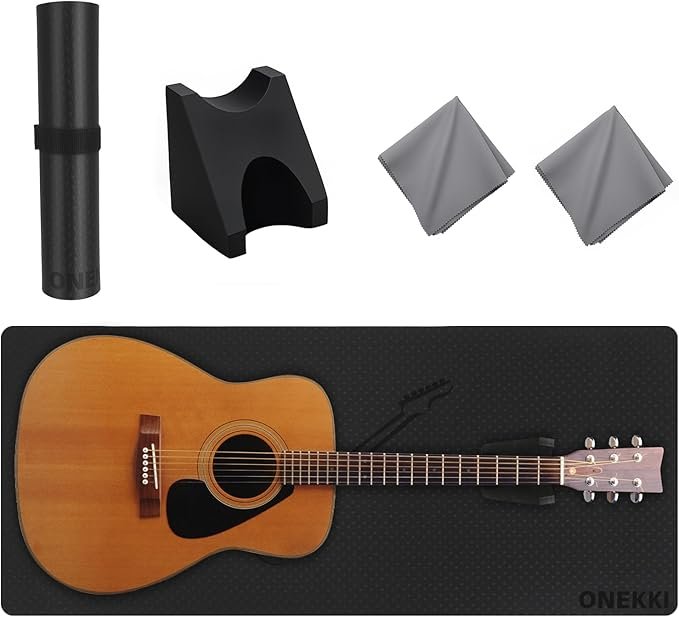
Guitar Neck Rest and Guitar Mat: Essential Accessories for Every Guitarist
Whether you’re a beginner guitarist or a seasoned player, keeping your instrument in top shape is crucial for performance, longevity, and ease of use. Two often overlooked but highly essential accessories for guitar maintenance are the guitar neck rest and the guitar mat. These simple tools can make a world of difference in preserving your guitar’s condition, ensuring that it stays safe and functional between performances or practice sessions.
In this guide, we’ll explore what a guitar neck rest and guitar mat are, how they benefit your instrument, and why they should be part of every guitarist’s toolkit.
What is a Guitar Neck Rest?
A guitar neck rest is a specially designed stand or cushion that cradles the neck of your guitar when you are not using it. It supports the neck, preventing it from being placed flat on hard surfaces, which can cause damage over time. This accessory ensures that the neck remains in a safe, stable position during storage, minimizing stress on the neck and preventing unnecessary strain on the neck joint, fretboard, and tuning machines.
Key Features of a Guitar Neck Rest:
- Shape and Design: Most guitar neck rests are designed to fit the specific shape of your guitar’s neck and headstock, providing optimal support. The cushion or stand gently holds the neck without pressing too hard on it.
- Portable: Many neck rests are lightweight and easy to transport, making them a perfect companion for traveling musicians or those who often perform at different venues.
- Versatility: Some neck rests come with adjustable settings, allowing them to accommodate different guitar types (electric, acoustic, bass, etc.).
- Protection: A neck rest provides added protection against scratches, dings, and stress points that might otherwise develop when you rest your guitar against a wall or place it on the floor.
What is a Guitar Mat?
A guitar mat (sometimes called a work mat or repair mat) is a soft, protective surface designed to be used when performing guitar maintenance, repairs, or tuning. Guitar mats typically have a non-slip surface, ensuring your guitar stays in place while you work on it. They are often padded or made of soft materials to protect the body and neck of your guitar from scratches, dings, or dents during handling.
Key Features of a Guitar Mat:
- Soft, Padded Surface: Most guitar mats are designed with soft, cushioned surfaces to prevent any damage to the finish of your instrument. This padding also protects the guitar’s internal components, such as the electronics or bridge.
- Non-Slip: Guitar mats often feature a textured or grippy surface to ensure that your guitar stays stable during repair or maintenance. This helps keep your instrument from sliding around or accidentally falling.
- Built-in Accessories: Many high-quality guitar mats come with additional features like rulers for measuring string heights, fretboard cleaning tools, or even compartments for screws and parts during repairs.
- Durable and Easy to Clean: Guitar mats are made from durable, water-resistant materials that are easy to clean. Some are also resistant to chemicals and oils, ensuring they can handle frequent maintenance tasks like changing strings, cleaning the fretboard, or adjusting the pickups.
Why Do You Need a Guitar Neck Rest?
- Protects the Neck and Headstock:
- The neck of a guitar is one of its most delicate and important parts. By using a neck rest, you reduce the risk of putting excessive weight or pressure on the neck, which can cause warping or damage to the wood. The neck rest ensures the guitar is stored in an optimal position to avoid these issues.
- Prevents Neck Strain:
- If you leave your guitar lying flat or leaning against a hard surface, the neck might sag or be subject to unnecessary tension. The neck rest provides support to the neck, maintaining the instrument’s shape and preventing tension that could cause damage over time.
- Reduces Scratches and Dings:
- Many guitarists make the mistake of placing their instruments on tables, floors, or stands that can lead to accidental scratches or dings. A guitar neck rest ensures that the neck is elevated and supported, reducing the risk of scratches or dents from contact with hard surfaces.
- Convenience and Portability:
- A neck rest is easy to transport, making it ideal for musicians who travel with their guitars. Whether you’re at home or performing on the go, having a dedicated support system for your guitar neck ensures it remains safe and secure.
Why Do You Need a Guitar Mat?
- Prevents Scratches During Maintenance:
- Whether you’re changing strings, adjusting pickups, or cleaning the fretboard, using a guitar mat provides a safe, soft surface for your guitar. This prevents scratches and dings caused by working on hard or abrasive surfaces.
- Stabilizes Your Guitar:
- A guitar mat is designed to keep your instrument in place while you work on it. With its non-slip surface, you can confidently adjust, clean, or repair your guitar without worrying about it slipping or moving around.
- Organizes Your Tools and Parts:
- Some guitar mats come with built-in compartments or designated areas for storing screws, parts, and tools. This keeps everything organized during maintenance, preventing small parts from getting lost.
- Versatility for All Guitar Types:
- Guitar mats are available in various sizes and designs, making them suitable for both electric and acoustic guitars. Whether you’re working on a large-bodied acoustic or a smaller electric guitar, a properly sized mat ensures your instrument is well-protected.
- Durable and Long-Lasting:
- A high-quality guitar mat is made of durable, long-lasting materials that can withstand repeated use without getting damaged. Over time, this protects your guitar’s surface and helps maintain its resale value.
How to Use a Guitar Neck Rest
Using a guitar neck rest is simple. Here’s how you can maximize its benefits:
- Place the Neck Rest on a Stable Surface:
- Whether you’re storing your guitar or preparing for a short practice session, place the neck rest on a flat, stable surface such as a table or desk.
- Position Your Guitar:
- Gently place the neck of your guitar into the designated area of the neck rest. Ensure that the headstock and neck are properly supported and that the body of the guitar is safely away from any hard surfaces.
- Rest Your Guitar:
- Leave your guitar on the neck rest when you’re not playing or during short breaks. The rest will ensure the neck stays protected from stress, preventing damage over time.
- Traveling:
- If your neck rest is portable, you can carry it with you when traveling to gigs or rehearsals. Simply place your guitar on the neck rest when not in use, and it will be protected during transport.
How to Use a Guitar Mat
Here’s how to use a guitar mat for maintenance or repairs:
- Lay Out the Mat:
- Unfold your guitar mat and place it on a flat surface, such as a workbench or table. Ensure that the mat is large enough to accommodate your guitar fully.
- Place Your Guitar on the Mat:
- Gently lay your guitar flat on the mat, ensuring the body is protected from any hard surfaces. If your guitar has a neck rest, you can also use it to support the neck while the guitar is on the mat.
- Perform Maintenance or Repairs:
- Now that your guitar is safely on the mat, you can begin performing maintenance tasks like changing strings, cleaning the fretboard, or adjusting the bridge. Use the compartments or tool slots (if available) to keep everything organized.
- Keep the Mat Clean:
- After use, clean your mat to ensure it remains free from dust, dirt, and oils. Most guitar mats can be wiped down with a damp cloth, and some can be machine-washed, depending on the material.
How to Choose the Best Guitar Neck Rest and Guitar Mat
When selecting the best guitar neck rest and guitar mat, consider the following factors:
1. Material and Build Quality:
- Choose a neck rest made from soft, durable materials like foam or rubber, which will gently support your guitar without damaging the finish. Look for mats made from non-abrasive, water-resistant materials like silicone or padded fabric.
2. Size and Compatibility:
- Ensure that the neck rest and mat are sized appropriately for your type of guitar (electric, acoustic, bass, etc.). Some mats come in universal sizes, while others may be tailored for specific guitar shapes.
3. Portability:
- If you travel often, choose a lightweight, portable neck rest and mat that can easily fit in your gig bag or guitar case.
4. Additional Features:
- Look for a neck rest with adjustable support features or mats with tool compartments if you plan on using them for repairs or maintenance.
Final Thoughts
A guitar neck rest and guitar mat are more than just accessories—they are essential tools for preserving the condition of your instrument. The neck rest ensures that your guitar’s neck and headstock remain protected from stress and damage, while the mat offers a safe, non-slip surface for all your guitar maintenance needs. Whether you’re a professional musician or a casual player, these accessories will help extend the lifespan of your guitar, maintain its sound quality, and keep it looking pristine.
Where to Buy a Guitar Neck Rest and Guitar Mat
Ready to keep your guitar in top condition? Check out our recommendations for