
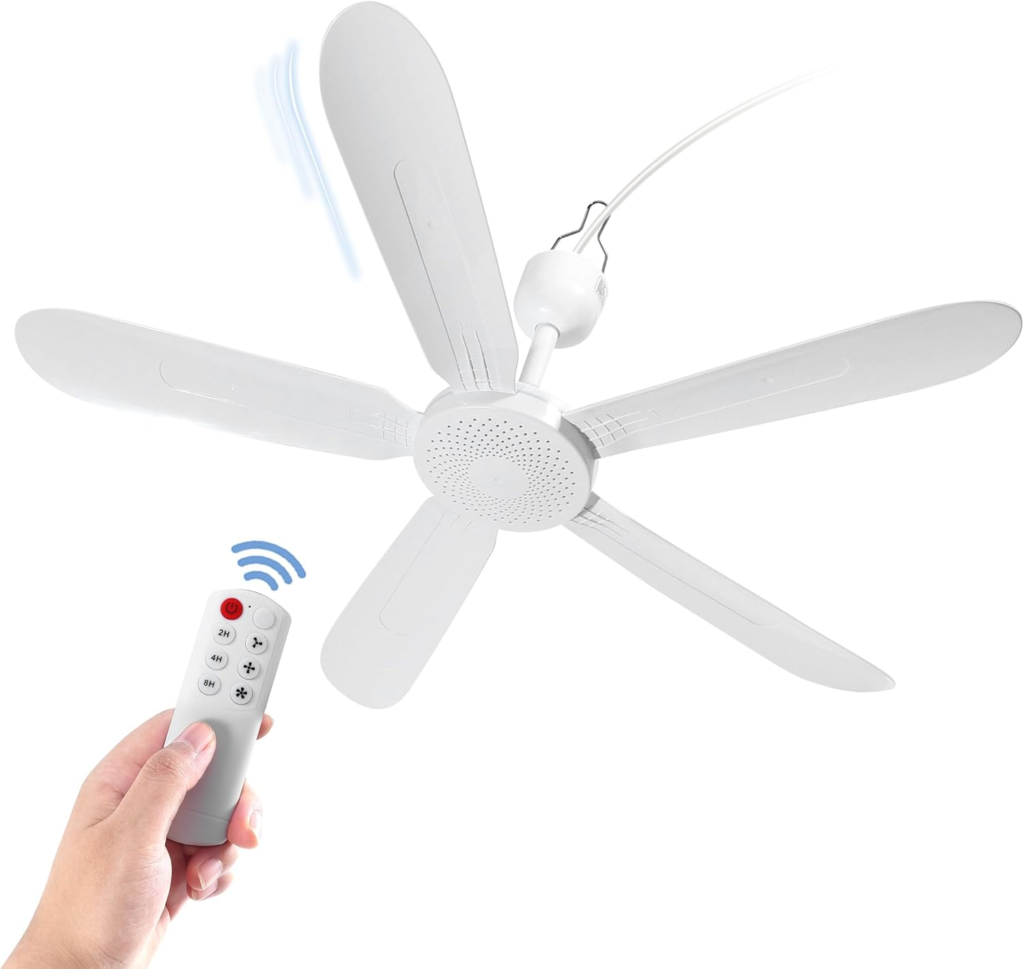
The Ultimate Guide to Choosing the Perfect Ceiling Fan: Comfort, Style, and Energy Efficiency
A ceiling fan is more than just a tool to circulate air; it is an essential element in any home, providing comfort, improving air circulation, and even helping reduce energy costs. Whether you’re upgrading your current fan or installing one for the first time, choosing the right ceiling fan requires consideration of style, size, functionality, and energy efficiency.
In this comprehensive guide, we will explore the benefits of ceiling fans, types available, features to look for, installation tips, and how to select the best fan for different spaces. This guide is perfect for homeowners, interior design enthusiasts, and anyone looking to improve comfort and airflow in their home.
Why a Ceiling Fan Is a Smart Choice
1. Comfort and Air Circulation
Ceiling fans improve comfort by circulating air in a room. In the summer, they create a cooling breeze, making the temperature feel several degrees cooler. In winter, reversible motor fans push warm air that rises to the ceiling back down into the living space, enhancing comfort without relying solely on heating systems.
2. Energy Efficiency and Cost Savings
Using a ceiling fan in combination with air conditioning allows you to set the thermostat higher, reducing energy consumption and lowering utility bills. Similarly, in colder months, a fan set to reverse mode helps distribute warm air efficiently, reducing the need for high heating.
3. Style and Interior Design
Ceiling fans come in a wide variety of designs, materials, and finishes. From modern minimalist styles to rustic or industrial looks, a ceiling fan can complement your décor while remaining functional. Many models include integrated lighting, adding both illumination and elegance to the room.
4. Versatility
Modern ceiling fans offer multiple speeds, remote control operation, reversible motor directions, and energy-efficient LED lighting options. This versatility ensures that your fan can meet your comfort needs in any season.
5. Noise Reduction
High-quality ceiling fans are designed to operate quietly, ensuring a comfortable and peaceful environment. This is ideal for bedrooms, living rooms, and offices where noise can be a distraction.
Types of Ceiling Fans
Choosing the right type of ceiling fan depends on your room size, ceiling height, and design preferences. Here are the main types available:
1. Standard Ceiling Fans
- Features: Suitable for rooms with standard ceiling height (8-9 feet).
- Best For: Bedrooms, living rooms, and small to medium-sized rooms.
- Pros: Affordable, versatile, easy to install.
- Cons: Limited for rooms with very high ceilings.
2. Low-Profile or Hugger Fans
- Features: Mount directly to the ceiling without a downrod.
- Best For: Rooms with low ceilings or limited vertical space.
- Pros: Space-saving design, ideal for bedrooms or apartments.
- Cons: Airflow may be slightly less than fans with longer downrods.
3. Dual-Mount Ceiling Fans
- Features: Can be installed with or without a downrod, offering flexibility.
- Best For: Rooms with variable ceiling heights.
- Pros: Versatile installation options.
- Cons: Slightly more expensive than standard fans.
4. Outdoor Ceiling Fans
- Features: Designed to withstand moisture, humidity, and outdoor conditions.
- Best For: Porches, patios, sunrooms, or covered outdoor spaces.
- Pros: Weather-resistant, durable materials, sometimes includes lighting.
- Cons: Must be installed in covered areas unless rated for wet locations.
5. Smart Ceiling Fans
- Features: Integrated Wi-Fi or Bluetooth control, app connectivity, and voice control compatibility.
- Best For: Modern homes, tech enthusiasts, or energy-conscious households.
- Pros: Control remotely, set schedules, monitor energy usage.
- Cons: Higher price point.
Key Features to Look for in a Ceiling Fan
When shopping for a ceiling fan, consider these essential features to ensure you get the right fan for your space:
1. Size and Blade Span
- Small Rooms (up to 75 sq. ft.): 29-36 inch blade span.
- Medium Rooms (75-144 sq. ft.): 36-42 inch blade span.
- Large Rooms (144-225 sq. ft.): 44-50 inch blade span.
- Extra-Large Rooms (225+ sq. ft.): 52-60 inch blade span.
2. Blade Material and Finish
- Wood or Faux Wood: Classic and versatile.
- Metal: Durable and suitable for modern or industrial designs.
- Plastic or Composite: Lightweight and often used for outdoor fans.
- Finish Options: Brushed nickel, bronze, black, white, or custom colors.
3. Motor Type and Speed Options
- Direct Drive or AC Motors: Reliable and common in traditional fans.
- DC Motors: Energy-efficient, quieter, and often offer more speed settings.
- Speeds: Look for 3 or more speeds for maximum comfort control.
4. Lighting Options
- Integrated LED Lights: Energy-efficient, long-lasting, and can replace room lighting.
- Bulb Compatibility: Some fans allow for decorative bulb upgrades.
- Dimmable Features: Offers control over brightness for ambiance.
5. Remote or Wall Control
Remote control or wall-mounted switches enhance convenience, allowing easy adjustments to speed, direction, and lighting. Smart fans may also integrate with voice assistants for hands-free operation.
6. Reversible Function
A reversible motor allows the fan to rotate clockwise or counterclockwise, providing cooling in summer and redistributing warm air in winter.
7. Energy Efficiency
Look for Energy Star-rated fans or models with DC motors for reduced energy consumption and lower electricity bills.
Benefits of Installing a Ceiling Fan
- Enhanced Comfort: Keeps air circulating to maintain a consistent room temperature.
- Cost Savings: Reduces reliance on air conditioning and heating systems.
- Aesthetic Appeal: Adds style and elegance to any room.
- Versatility: Works year-round with reversible motor settings.
- Quiet Operation: Modern fans operate silently for undisturbed relaxation or sleep.
- Lighting Options: Combines fan and light in one stylish fixture.
Tips for Choosing the Right Ceiling Fan
- Measure Your Room: Match blade span to room size for optimal airflow.
- Check Ceiling Height: Ensure proper installation with a downrod if ceilings are high.
- Select a Style: Choose a fan that complements your interior design.
- Consider Lighting Needs: Integrated lighting can eliminate the need for separate fixtures.
- Evaluate Controls: Decide between manual pull chains, wall switches, remotes, or smart connectivity.
- Energy Efficiency: Look for Energy Star-certified fans to save on electricity bills.
- Outdoor vs. Indoor: Ensure outdoor-rated fans are used in exterior spaces.
Recommended Rooms for Ceiling Fans
- Living Room: Improve airflow and provide ambient lighting with a large, stylish fan.
- Bedroom: Use a low-profile or quiet fan to maintain comfort while sleeping.
- Kitchen: Keep air moving and reduce cooking heat with a medium-sized fan.
- Patio or Porch: Outdoor-rated fans provide a cool breeze for relaxation and gatherings.
- Office or Study: Enhance comfort without creating distracting noise.
Final Thoughts
A ceiling fan is a practical, stylish, and energy-efficient addition to any home. Beyond cooling, it enhances air circulation, adds aesthetic appeal, and helps reduce energy costs. With various sizes, designs, and advanced features like LED lighting, remote control, and smart connectivity, there is a ceiling fan suitable for every room and lifestyle.
When choosing a ceiling fan, consider size, blade material, motor type, lighting options, energy efficiency, and control method. By selecting the right fan, you can improve comfort, save on energy bills, and elevate the style of your living space.
Investing in a high-quality ceiling fan is a decision that pays off year-round, combining comfort, convenience, and modern design for a healthier, more enjoyable home environment.