
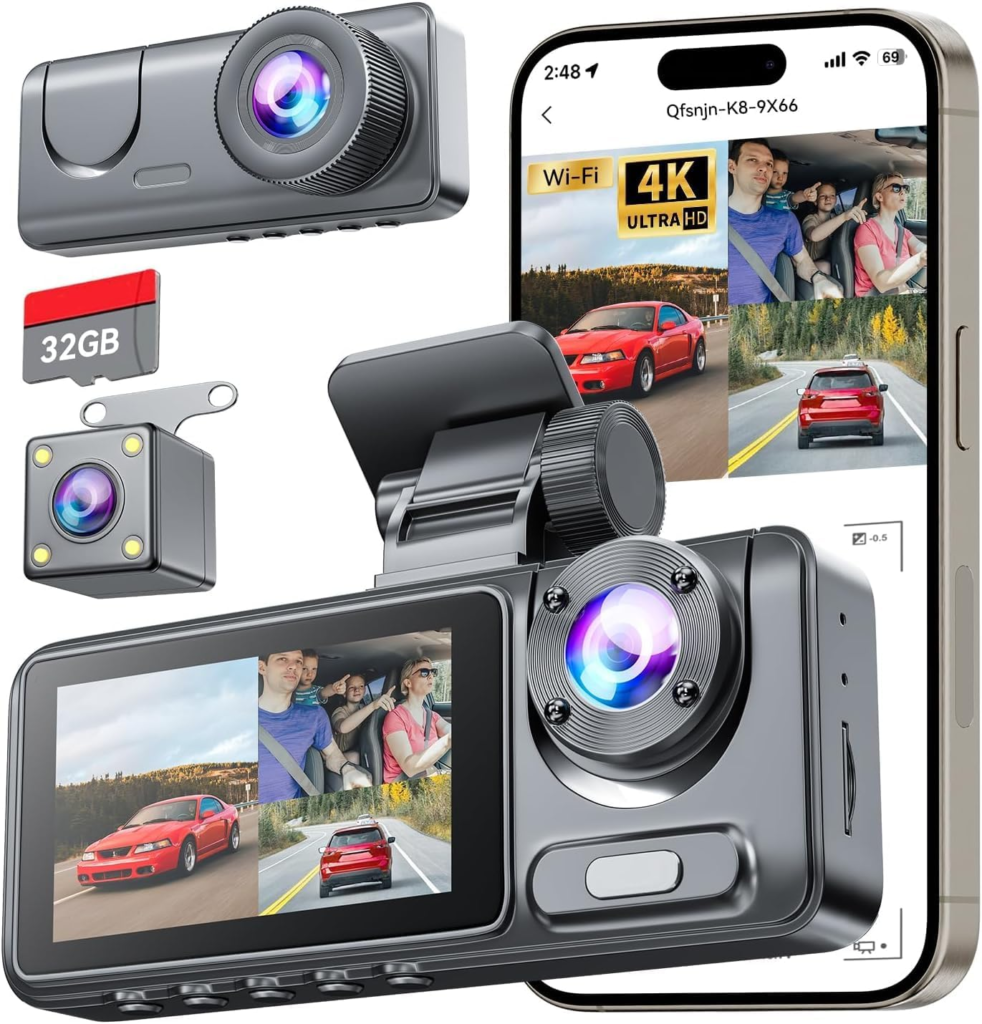
The Ultimate Guide to Dash Cams: Protect Your Vehicle, Your Wallet, and Your Peace of Mind
Whether you’re a daily commuter, a rideshare driver, or someone who enjoys long road trips, a dash cam has become an essential automotive accessory. Dash cams not only record your driving, but they also provide critical evidence in case of accidents, protect against insurance fraud, and can even monitor your vehicle when it’s parked. With technology evolving rapidly, dash cams now offer features like high-definition recording, GPS tracking, parking mode, and collision detection.
In this comprehensive guide, we’ll explore the benefits of dash cams, types available, key features to look for, and tips for choosing the best dash cam to fit your needs. This guide is perfect for anyone looking to enhance driving safety, protect their vehicle, and invest in a practical gadget with real-world benefits.
What Is a Dash Cam?
A dash cam, short for dashboard camera, is a small recording device mounted on your vehicle’s windshield or dashboard. It continuously records the road ahead—or in some models, both front and rear views—capturing video, audio, and sometimes GPS data. The footage can be stored on an SD card, cloud storage, or both, depending on the dash cam model.
Dash cams are becoming standard equipment in many vehicles because they provide peace of mind, protect against disputes, and can even lower insurance premiums in some cases.
Why You Need a Dash Cam
1. Protect Yourself from Insurance Fraud
Insurance fraud is a growing problem. Some drivers deliberately cause accidents or exaggerate damages. A dash cam provides clear evidence of the incident, protecting you from false claims.
2. Capture Accidents and Road Incidents
In the event of a collision, dash cam footage can be crucial for legal proceedings and insurance claims. Clear video evidence eliminates confusion and speeds up claims processing.
3. Monitor Your Vehicle While Parked
Many dash cams feature parking mode, which records motion or impact even when your car is parked. This protects against vandalism, hit-and-runs, and theft.
4. Enhance Driving Safety
Some dash cams come with advanced driver-assistance systems (ADAS), including lane departure warnings, forward collision alerts, and speed camera alerts, helping you stay alert and safe on the road.
5. Record Road Trips and Scenic Drives
Dash cams aren’t just for protection—they’re also great for capturing memorable road trips, scenic routes, or unique events on the road.
Types of Dash Cams
Dash cams vary in design and functionality. Choosing the right type depends on your vehicle, budget, and purpose:
1. Single-Lens Dash Cams
- Features: Records only the front view of your vehicle.
- Best For: Everyday driving, basic protection, and casual use.
- Pros: Affordable, easy to install.
- Cons: No rear coverage.
2. Dual-Lens Dash Cams
- Features: Records both front and rear views simultaneously.
- Best For: Comprehensive coverage, rideshare drivers, or anyone seeking extra protection.
- Pros: Increased security, covers more angles.
- Cons: Slightly more expensive, larger setup.
3. 360-Degree Dash Cams
- Features: Provides a panoramic view, recording all angles around the car.
- Best For: High-end vehicles or drivers wanting maximum coverage.
- Pros: Complete surveillance, advanced safety features.
- Cons: Higher cost, more complex installation.
4. Wireless or Smart Dash Cams
- Features: Connects to Wi-Fi or smartphone apps, allows cloud storage, and remote viewing.
- Best For: Tech-savvy users, those who want easy access to footage.
- Pros: Convenient, seamless file sharing.
- Cons: Subscription fees may apply for cloud services.
Key Features to Look for in a Dash Cam
Selecting a dash cam involves more than choosing a brand—it’s about functionality, quality, and reliability. Here are essential features to consider:
1. Video Quality
Look for cameras that record in 1080p Full HD or 4K for clear, detailed footage. Higher resolution is especially important for capturing license plates, road signs, and details in low light.
2. Wide-Angle Lens
A wider lens (120°–180°) captures more of the road and surroundings, reducing blind spots and providing more comprehensive evidence.
3. Night Vision
Dash cams with infrared or low-light recording capabilities ensure clear footage during nighttime driving or in poorly lit areas.
4. GPS Tracking
Built-in GPS records your location, speed, and route. This feature can be invaluable for insurance claims and for tracking travel history.
5. G-Sensor and Collision Detection
A G-sensor automatically detects sudden impacts and locks the footage to prevent overwriting, preserving evidence during accidents.
6. Loop Recording
Loop recording allows continuous recording by overwriting the oldest files when storage is full, ensuring your dash cam never stops recording.
7. Parking Mode
Parking mode detects motion or impacts when your car is stationary, helping capture incidents while you’re away from your vehicle.
8. Storage Capacity
Most dash cams use microSD cards, typically ranging from 32GB to 256GB. Larger storage allows longer recording times and higher-resolution footage.
How to Install a Dash Cam
Installing a dash cam is usually straightforward:
- Choose Location: Mount the dash cam behind the rearview mirror to avoid obstructing your view.
- Connect Power: Plug into the vehicle’s cigarette lighter or hardwire to the fuse box for constant power.
- Adjust Angle: Ensure the camera captures the full road view.
- Insert Storage: Install a microSD card to store recorded footage.
- Test Recording: Verify video quality, audio, and optional features like GPS and parking mode.
Professional installation is recommended for dual-lens or 360-degree models.
Benefits of Owning a Dash Cam
- Peace of Mind: Protects against accidents, fraud, and vandalism.
- Evidence in Legal Situations: Provides objective, timestamped footage for insurance and legal purposes.
- Enhanced Safety: Alerts for lane departure, forward collision, or speed.
- Vehicle Monitoring: Parking mode keeps an eye on your car when unattended.
- Capture Memorable Moments: Road trips, scenic drives, and unexpected events are recorded.
Recommended Use Cases
- Commuters navigating busy city traffic.
- Rideshare or taxi drivers needing liability protection.
- Fleet vehicles and delivery drivers.
- Road trip enthusiasts capturing scenic drives.
- Anyone concerned about vandalism or parking lot incidents.
Final Thoughts
A dash cam is more than just a gadget—it’s a safeguard for your vehicle, a tool for legal protection, and a practical accessory that enhances driving confidence. With features like high-definition recording, GPS tracking, parking mode, and collision detection, modern dash cams are versatile, reliable, and easy to use.