
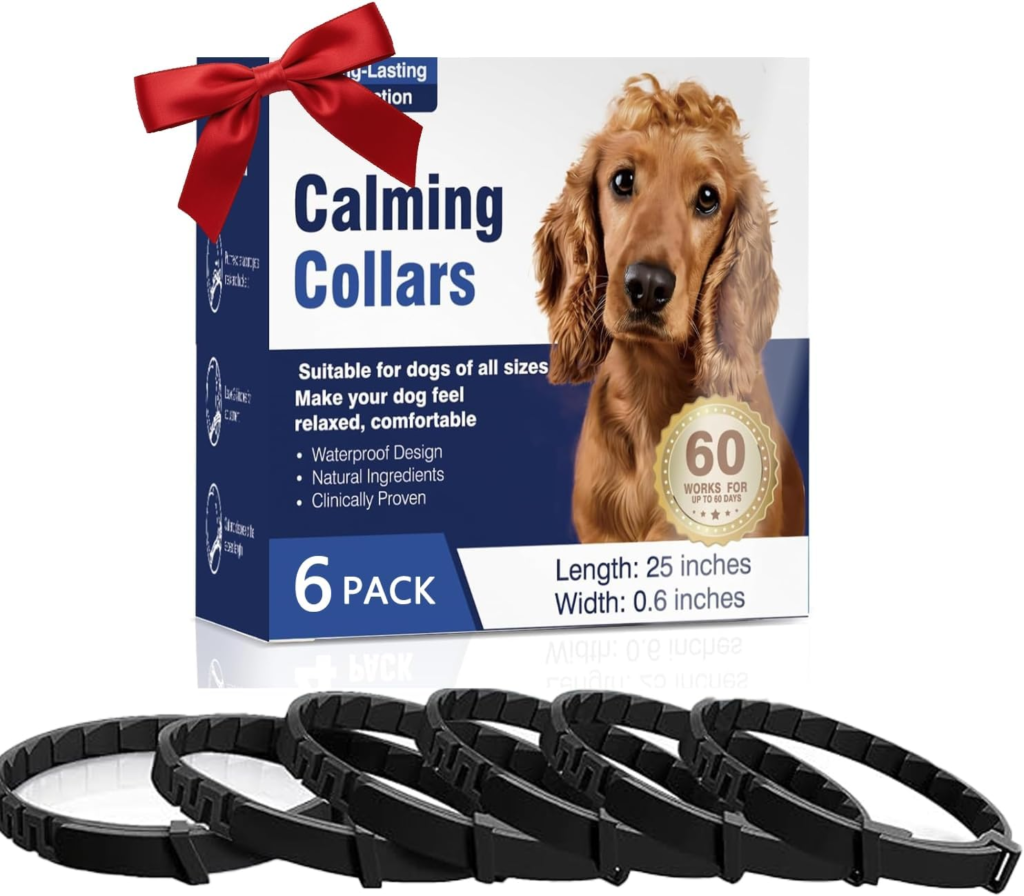
Collar for Dogs: How to Choose the Perfect Collar for Comfort, Safety, and Style
A collar for dogs is more than just an accessory. It’s an essential item that plays a vital role in your dog’s safety, training, and everyday comfort. From daily walks and identification to training support and personal style, the right dog collar can make a big difference in your pet’s life.
With so many options available, choosing the right collar can feel overwhelming. In this guide, we’ll explore the different types of dog collars, their benefits, and what to look for when buying one. Whether you’re a new pet owner or upgrading your dog’s gear, this article will help you make an informed choice.
Why a Dog Collar Is Important
Identification and Safety
A dog collar provides a secure place to attach ID tags with your contact information. If your dog ever gets lost, a collar with proper identification greatly increases the chances of a safe return.
Everyday Control
Collars make it easier to attach a leash for walks, training, and outdoor activities. Even well-trained dogs benefit from the added control and security a collar provides.
Training Support
Certain collars are designed to assist with training by encouraging better leash behavior. When used correctly, they can help reinforce positive habits without causing discomfort.
Personal Style
Dog collars come in a wide range of colors, materials, and designs, allowing you to express your dog’s personality while still prioritizing comfort and safety.
Types of Collars for Dogs
Understanding the different types of dog collars will help you choose the best option for your pet’s needs.
Flat Dog Collars
Flat collars are the most common type and are suitable for everyday use. They are comfortable, adjustable, and ideal for holding ID tags.
Martingale Collars
Martingale collars are designed for dogs that tend to slip out of standard collars. They tighten slightly when pulled but do not choke, making them a safer option for many breeds.
Training Collars
Training collars are used to help correct specific behaviors, such as pulling on the leash. These collars should be used responsibly and only as part of a positive training approach.
GPS and Smart Collars
Modern dog collars may include GPS tracking or smart features that monitor activity, location, and health metrics. These are ideal for pet owners who want extra peace of mind.
Materials Commonly Used in Dog Collars
Nylon Collars
Nylon collars are lightweight, affordable, and available in many styles. They are great for everyday use and easy to clean.
Leather Collars
Leather collars are durable, stylish, and comfortable once broken in. They are ideal for dogs with sensitive skin and tend to last longer with proper care.
Neoprene and Padded Collars
Padded collars provide extra comfort, especially for active dogs or those that wear collars for long periods. They help reduce friction and irritation.
Key Features to Look for in a Collar for Dogs
Choosing the right collar involves more than just picking a color. Here are the most important features to consider.
Proper Fit and Adjustability
A well-fitting collar should be snug but not tight. You should be able to fit two fingers comfortably between the collar and your dog’s neck. Adjustable collars ensure a better fit as your dog grows or changes weight.
Durable Buckle and Hardware
Strong buckles and metal rings are essential for safety. Look for rust-resistant materials that can withstand pulling and daily wear.
Comfort and Padding
Comfort is crucial, especially for dogs that wear their collar all day. Soft materials and padded designs help prevent chafing and irritation.
Reflective or High-Visibility Elements
Reflective collars improve visibility during early morning or nighttime walks, adding an extra layer of safety.
Choosing the Right Collar for Your Dog’s Size and Breed
Small Dogs
Small dogs benefit from lightweight collars that don’t put pressure on their necks. Soft materials and narrow widths are usually best.
Medium Dogs
Medium-sized dogs need collars that balance comfort and strength. Look for durable materials with secure hardware.
Large and Strong Dogs
Large breeds require heavy-duty collars with reinforced stitching and strong buckles to handle pulling and activity.
Collar for Dogs vs Harness: Which Is Better?
Both collars and harnesses have their advantages. Collars are ideal for everyday identification and leash attachment, while harnesses are often better for dogs that pull or have neck sensitivities. Many pet owners use both, depending on the situation.
Tips for Using a Dog Collar Safely
- Check the fit regularly as your dog grows
- Remove the collar during crate time if recommended
- Clean the collar to prevent dirt buildup
- Replace worn or damaged collars promptly
Proper maintenance ensures your dog stays comfortable and safe.
Is a Quality Dog Collar Worth the Investment?
Absolutely. A high-quality collar for dogs provides better comfort, increased durability, and enhanced safety. Cheaper collars may wear out quickly or cause irritation, while a well-made collar can last for years.
Investing in the right collar means peace of mind for you and a more comfortable experience for your dog.
Final Thoughts and Recommendation
A collar for dogs is a simple yet essential item that every pet owner should choose carefully. By considering factors like material, fit, durability, and your dog’s specific needs, you can find a collar that offers comfort, safety, and style.